Wear & Repeat

Author name: Thomas Son

quince clothing
Fashion Reviews

Quince Clothing Review: What to Buy and What to Skip

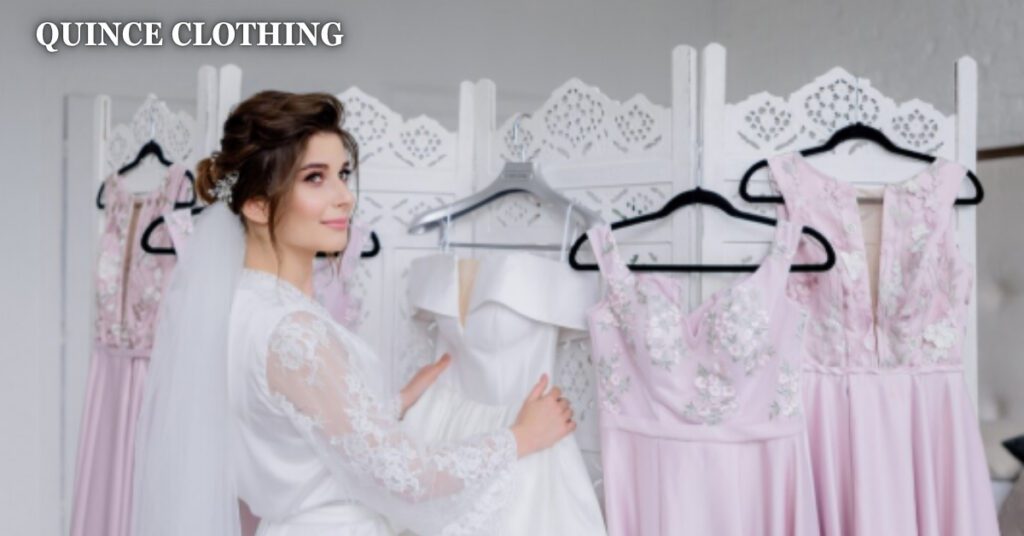
Quince clothing has built its reputation on one striking idea, that cashmere, silk, and Italian leather do not need a luxury markup to feel genuinely luxurious. This piece breaks down which categories consistently earn their price tag, where the brand’s quality gets inconsistent, and how to build a genuinely useful wardrobe around a handful of its best pieces rather than buying at random. The direct-to-consumer label sells wardrobe basics, from ribbed knit sweaters to washable silk blouses, at prices that undercut mall retailers by a wide margin. By the end, you will know exactly which Quince clothing to add to your closet first, which categories to approach carefully, and how to keep everything looking new for years. Short Answer Buying Quince clothing pays off most in cashmere sweaters, washable silk, European linen, and leather goods, all priced well below comparable retail brands. Quality stays strong in those core categories, though denim fit and petite or tall sizing stay inconsistent, so shop each category on its own merits. What Quince Clothing Actually Is Quince clothing comes from a manufacturer-direct label that sells straight to shoppers instead of through department stores or boutique markups. The brand’s public history, documented on Wikipedia, shows it launched in 2019 under the name Last Brand and was renamed Quince in 2020, with headquarters in San Francisco. Cutting out the wholesale and retail middlemen is exactly how a fifty dollar cashmere sweater or a leather jacket well under one hundred fifty dollars becomes possible, since the factories that make the fabric are the same ones shipping the finished piece to your door. That model only works if the factories are genuinely capable, and Quince leans on the same mills and tanneries that supply higher-priced labels, including Mongolian cashmere producers and Italian leather workshops. The clothing line covers sweaters, denim, dresses, blouses, outerwear, and active wear, while the wider catalog stretches into bedding, luggage, and home goods. This review stays focused on clothing and the accessories that get worn as part of an actual outfit, since that is where most shoppers researching Quince clothing actually want answers. The Fabrics and Pieces Actually Worth Buying Cashmere is where Quince earns its reputation, and the crewneck and V-neck sweaters built from Mongolian cashmere hold their shape through a full winter of regular wear. The knit sits on the lighter side compared to a heavier department store sweater, which makes it genuinely wearable under a blazer or coat rather than bulky. Long-term reviewers who track wear across multiple seasons consistently point to the cashmere line as the strongest category in the entire catalog, making it the piece most worth trying first if you are testing the brand. Washable silk is the second standout, since it solves the one problem that keeps most people away from silk blouses entirely, the dry cleaning bill. A silk blouse that survives a gentle cold cycle changes how often you actually wear it, and that alone makes the category worth the investment before you even account for the lower price. European linen shirts and dresses follow similar logic, breathable through summer heat and priced low enough that owning three or four colors makes more sense than babying a single expensive piece. Leather goods round out the strongest tier, particularly structured bags and belts made from full-grain leather that would cost two or three times as much from a traditional accessories brand. Denim lands in more mixed territory. The straight-leg and barrel-leg cuts fit true to size for most body types, but stretch content varies enough between production runs that ordering a backup size, one up or one down from your usual, counts as a reasonable precaution rather than an overreaction. How Quince Clothing Compares to Everlane, J.Crew, and Similar Labels Quince clothing gets compared most often to Everlane and J.Crew, and the comparison holds up better than most brand-versus-brand claims online. Everlane built its name on transparent pricing and similar elevated basics, but its cashmere and silk pieces typically carry a noticeably higher price tag than Quince for comparable fabric weights, since Everlane still operates closer to traditional retail markups. J.Crew sits nearer to Quince on price for cotton and denim, though its cashmere has shifted toward blended fabrics more often in recent years, while Quince has stayed consistent with full cashmere content in its core sweater line. Vince comes up in the conversation too, mostly because of style rather than price, since Vince pieces sit at true luxury pricing while sharing a similar minimalist, neutral-heavy aesthetic. For a shopper deciding between these labels, Quince makes the most sense when the goal is stocking multiple pieces within one category, several sweater colors or a handful of silk blouses, without a luxury budget. Everlane or J.Crew still make sense for anyone who wants to try items on in a physical store first, since Quince sells online only. Where Quince Clothing Comes Up Short Sizing is the most consistent complaint across long-term Quince clothing reviews, and it shows up in more than one place. Petite sizing exists but only across a limited slice of the catalog, so a shopper under five foot four will find some sweaters and tops that work while whole categories like midi dresses stay out of reach. Tall sizing has the same gap in the opposite direction, with sleeve and inseam lengths that run short for anyone over five foot nine. Plus sizing extends further than it used to, but coverage above an extra large is still thinner than the rest of the catalog, particularly in structured pieces like blazers and fitted dresses. Quality control is the second recurring weak point, and it tends to show up more in fast turnaround categories like basic tees than in the cashmere or leather lines. A ribbed tank bought in January and the same style reordered in June can feel like a slightly different fabric weight, which suggests the factory partners shift between production runs. None of this makes Quince clothing a poor choice, but it
outfit ideas for women
Outfit Ideas

Outfit Ideas for Women You Can Build From What You Own

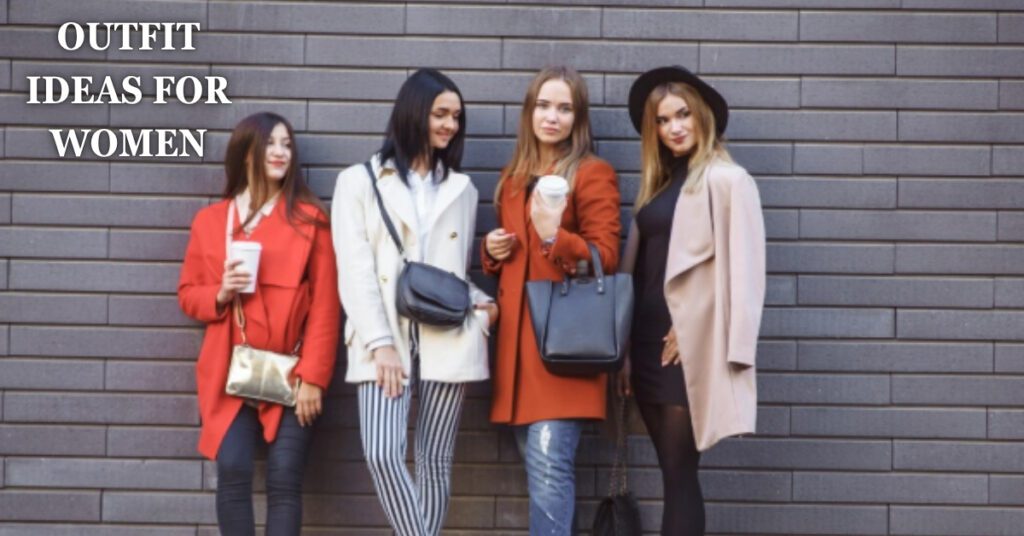
Good outfit ideas for women don’t require a new haul every season, they require knowing how a smaller set of pieces can be rearranged into something that looks intentional every time. This guide breaks down real, wearable combinations for weekdays, work, dinners out, and travel weekends, using pieces most closets already have room for. Instead of one-off looks that only work with items bought specifically for the photo, every combination here is built to repeat, remix, and stretch across more than one occasion. By the end, you’ll have a working system for turning a handful of pieces into dozens of outfits, plus a clear sense of which few pieces are worth buying first. Short Answer The best outfit ideas for women come from a small rotation of well-fitted basics, styled differently for work, weekends, and evenings through changes in layering, footwear, and one statement accessory, rather than from buying a new outfit for every event on the calendar. Why a Smaller Wardrobe Actually Produces More Outfit Ideas Most people assume more outfit ideas require more clothes, but the math actually runs the other way. Six tops, four bottoms, and three layering pieces mixed on their own already produce seventy two outfit shells before a single shoe or accessory changes anything. Swap in three different shoe options and that number triples to well over two hundred, all from thirteen pieces total. The point isn’t the exact figure, it’s that variety comes from combination, not accumulation. This isn’t a new idea. The idea of building a wardrobe around a small set of interchangeable pieces traces back to a London boutique owner who popularized what’s now widely called a capsule wardrobe in the 1970s, decades before minimalism became a hashtag. Applying this to real outfit ideas for women means starting an inventory instead of a shopping list. Lay out what already lives in the closet, group it by top, bottom, layering piece, and shoe, then count the realistic combinations before deciding anything is actually missing. Readers who want to take this further can work through building a twelve piece capsule from scratch, a slower project that pays off across every season once it’s done. Most closets are undercounted rather than under filled, the gap is usually in styling, not inventory. Everyday Looks You Can Build in Minutes Everyday outfit ideas for women should survive a coffee run, a grocery stop, and a walk to pick up a kid or a package, all without a mid-morning outfit change. A relaxed straight leg jean paired with a fitted long sleeve tee and a structured crossbody bag covers that range without trying too hard. Add white leather sneakers for daytime ease or swap in a suede loafer once the temperature drops. The whole look sits comfortably in the thirty to fifty dollar range per piece if you’re shopping new, or costs nothing if it’s already in rotation. A second version leans softer. Wide leg linen trousers in a warm stone or olive tone, paired with a ribbed tank and an oversized cotton shirt worn open, create a breathable silhouette that moves easily through a full day of errands. Roll the shirt sleeves to the elbow and leave the top two buttons open for a slightly undone finish that reads intentional rather than sloppy. Canvas slip-ons or flat mules keep the whole thing grounded. Work Outfits That Don’t Require a Full Wardrobe Change Work outfit ideas for women hold up best when they separate into interchangeable parts rather than a single fixed suit. A tailored blazer in charcoal or camel worn over a simple crew neck knit and straight leg trousers reads polished without feeling stiff, and the blazer alone can be pulled into three or four other looks across the week. Point toe flats or a low block heel keep the proportions in check, especially with a slightly cropped trouser. For offices with a softer dress code, a midi wrap dress in a small print does double duty as both a full outfit and a layering base. Worn alone with sandals it reads warm weather casual, and worn under the same blazer from the first look with tights and ankle boots it shifts into a cooler season office piece without becoming a second purchase. This kind of cross season overlap is where a smaller wardrobe earns its keep. Dinner and Date Night, Without Starting From Zero Dinner and date night outfits carry more pressure than they need to, mostly because people reach for something entirely new instead of restyling something familiar. A satin slip skirt paired with the same crew neck knit from the office look, tucked and belted, moves the outfit from desk to dinner in under two minutes. Strappy block heels and a small structured clutch finish the transition. A monochrome option works just as well for readers who prefer less fuss. Head to toe in a single deep tone, whether that’s burgundy, forest, or navy, creates an elongating line that reads deliberate rather than plain, especially in a slightly fluid fabric like a matte crepe or a soft ponte knit. Gold hoop earrings and one bold lip color are enough embellishment, more than that starts competing with the color itself. Weekend and Travel Looks That Pack Light Weekend and travel outfit ideas benefit from pieces that pack flat and layer easily, since the same look often has to work across a plane, a walking tour, and a casual dinner in one day. A soft knit jumpsuit in a wrinkle resistant fabric covers all three if it’s paired with a lightweight utility jacket that can come off indoors and go back on for a cooler evening. Denim on denim, done in two different washes rather than a matching set, avoids looking costume-like while still feeling put together for a full day of movement. A relaxed straight leg jean in a mid wash under a cropped light wash jacket, with a plain white tee and a canvas tote, covers museum visits, market browsing, and

cider clothing
Fashion Reviews

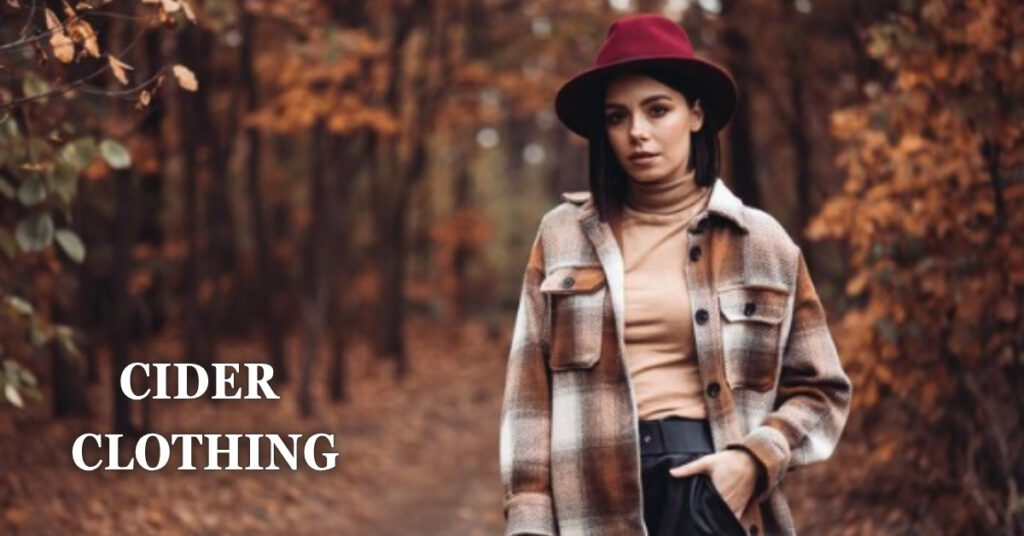
Cider Clothing: What’s Actually Worth Buying

Cider clothing turns up in nearly every “get ready with me” video for a reason, the brand takes whatever is trending online and turns it into a dress, a knit, or a pair of shoes at a price most fast fashion houses cannot match. What most hauls leave out is that Cider is not one consistent shopping experience, it behaves closer to dozens of small manufacturers releasing under a single name, and that changes how you should approach an order. This breakdown covers which categories at Cider are genuinely worth clicking, where the real risk sits, and how to shop the site so a package earns its spot in your closet instead of your donation pile. The Short Version Yes, Cider Clothing is generally worth buying in knitwear, casual basics, and inexpensive statement pieces, since fit and fabric quality shift by category instead of staying consistent across the whole site. Structured dresses, tailored trousers, and shoes carry the most risk when ordered without checking the actual garment measurements first. What Cider Clothing Actually Is The brand launched in 2020 as a women founded, internet native fashion label built around the idea that trend cycles move faster than traditional fast fashion can keep up with. Instead of organizing its site by garment type alone, Cider sorts a large share of its catalog through a Pick a Mood system, letting shoppers browse by feeling such as elegant, cute, or dreamy rather than by category first. Pricing sits mostly between fifteen and sixty dollars, with occasional pieces creeping past one hundred for outerwear or going out dresses. The brand ships to more than one hundred countries and has built its following largely through creator content rather than traditional advertising. A portion of Cider’s catalog runs through a line called ReCider, which is produced on demand using recycled materials rather than manufactured in bulk ahead of season. Cider states that fabric in this line carries Global Recycled Standard certification, the same third party framework used across much of the sustainable textile industry to verify recycled content claims. On demand production is worth knowing about before you order, because it can add a few extra days to shipping compared to items pulled from ready stock. Since 2022, Cider has also shipped most orders in biodegradable mailers instead of standard plastic packaging, a small detail that matters if you care about what happens to the packaging after it lands on your doorstep. Which Cider Categories Are Actually Worth Ordering Knitwear is the safest category on the entire site, and it is where Cider’s fifteen to twenty five dollar price point genuinely competes with pieces that cost three times as much elsewhere. Cardigans, ribbed tanks, and oversized sweaters use stretch construction that forgives an inch or two of sizing guesswork, and the yarn Cider uses for its heavier knits reads as noticeably higher quality than its wovens. A knit top or cardigan in a neutral color earns its price back within a handful of wears, which is the whole point of shopping a brand built around speed and price rather than longevity. Basic tees, bike shorts, and simple midi skirts sit in the same low risk category as knitwear, mostly because there is little tailoring involved to get wrong. These pieces rarely photograph as the star of an outfit, but they round out a wardrobe cheaply enough that a fit miss does not sting the way a sixty dollar dress miss does. Buy one of a popular basic before committing to three colors at once, since Cider’s core sizing tends to run about half a size smaller than most US brands and one supplier’s medium is not always another’s. Structured dresses carry the most risk on the site, particularly anything with boning, a corset style lace up back, or a fitted bodice, because these rely on precise measurements to sit correctly. Tailored bottoms such as trousers and structured jeans behave the same way, with almost no give once you are past the size the chart recommends. Shoes deserve their own caution, since Cider’s foot measurements run noticeably narrow through the toe box, and a bow detail or embellishment that looks sturdy in photos often turns out to be decorative rather than structural once it actually arrives. Outerwear sits in the middle of the risk spectrum, since a boxy denim jacket or a simple bomber tends to fit close to the size chart, while anything with a fitted waist or structured shoulders inherits the same risk as a tailored dress. Puffer style jackets and quilted coats are generally safer bets than wool blend coats, since the quilting hides small sizing gaps that would be obvious on a smooth tailored surface. If you are ordering outerwear for actual winter use rather than a single outfit photo, checking the shell fabric percentage matters more than checking the size chart alone. The Sizing Advice That Only Works Half the Time Nearly every Cider review repeats the same advice, order one size up because the brand runs small, and that advice is not wrong so much as incomplete. Sizing up works reliably for knitwear and anything built with stretch, where an extra size simply means a looser, still flattering fit. The confusion happens because reviewers are usually judging the whole site off two or three items they personally tried, then generalizing that experience to every product on Cider regardless of what the garment is actually made from. Apply that same blanket size up rule to a structured dress or a pair of tailored trousers and it can backfire completely, since a looser fit in a garment built around a fixed seam or a corset back does not drape the way it does on stretch knit. The fix is checking the actual garment measurements listed on each product page against your own body, not against whatever letter size you normally wear, since Cider’s numbering is not consistent from one supplier line to the next. Treat every single order as its own sizing

capsule wardrobe men
Capsule Wardrobe

The Capsule Wardrobe Men Actually Stick To

A capsule wardrobe men actually stick to starts in the closet, not a shopping cart full of new basics. This guide walks through the exact pieces worth owning, how many you actually need, and how to build the set from what already fits before spending anything on what doesn’t. Instead of the usual twelve-item checklist copied across menswear blogs, you get real fabric and fit guidance, a worked cost-per-wear example, and adjustments for different jobs and builds. By the end, you will know how to turn a cluttered closet into a small, deliberate wardrobe that produces more outfits than it currently does, without buying most of it new. Short Answer A men’s capsule wardrobe is a small set of interchangeable pieces, usually built around neutral tops, bottoms, and one structured piece, that combine into dozens of outfits. Build it by auditing your existing closet first, filling only genuine gaps with versatile, well-fitted pieces, and adding seasonal items around that core. What Actually Goes Into a Men’s Capsule Wardrobe A working capsule is built from five categories: layering tops, trousers, one structured piece, outerwear, and shoes, chosen so nearly everything pairs with everything else. Skip the trend colors entirely here. Stick to navy, charcoal, stone, white, and one warm neutral like olive or rust, since a wardrobe built on one palette multiplies its own outfit combinations without adding a single extra piece. Here’s what the core actually looks like once it’s broken down by category: T-shirts: two black, two white, midweight cotton around 180 to 220 gsm Button-downs: one light blue or white oxford, one small check pattern Sweater: one merino crew neck in charcoal or navy Trousers: one dark straight-leg jean, one stone or navy cotton twill chino Structured piece: one unstructured navy blazer, soft shoulder, half canvas construction Shoes: one minimal white leather sneaker, one brown leather chukka or derby Finishing pieces: two leather belts (black and brown), four to six pairs of solid gray or navy socks Fit matters more than any item on this list. Keep the rise and taper consistent with your build rather than chasing a specific trend silhouette, since proportion does more visual work here than fabric or color ever will. How Many Pieces You Actually Need Rather than copying a fixed number from someone else’s list, think in ratios first. For every pair of trousers, plan on roughly one and a half tops, so two pairs of bottoms comfortably support three or four tops without anything sitting unworn for weeks at a stretch. Add one structured piece, one sweater, and two pairs of shoes, and the ratio starts producing real outfit variety instead of just a bigger pile of clothes. The actual count matters far less than a simple test: does each piece work inside at least three different outfits. A blazer that only pairs with one shirt is dead weight no matter how good it looks hanging on its own, and cutting pieces that fail this test usually shrinks a wardrobe faster than any fixed target number would. Climate changes the math more than personal style does. A man in a cold, four season climate needs a heavier sweater rotation and a proper overcoat, which naturally grows the count, while someone in a warm climate can drop the wool layers entirely and lean on lighter chinos and short sleeve options instead. Start With What You Already Own Before buying anything, pull every piece of clothing out of the closet and sort it into three piles: things that fit and get worn, things that fit but never get reached for, and things that no longer fit at all. Most men are surprised by how many genuinely good pieces sit in that middle pile simply because nothing else in the closet pairs well with them. Try building three or four complete outfits using only what landed in the first two piles, then be honest about where they run into trouble. A gap usually shows up fast. Maybe there is no navy trouser to pair with the two blazers already hanging there, or every shirt is some shade of blue and nothing plain white exists to break it up. Buy only for those specific gaps, one piece at a time, rather than replacing the whole closet in a single weekend. This keeps spending down, and it also means every new purchase gets tested against real pieces already proven to work, instead of guessed at from a product photo online. The Real Cost-Per-Wear Math Price alone says very little about value in a capsule wardrobe, since a cheap piece that falls apart after a season usually costs more per wear than an expensive one that lasts for years. Running the actual numbers changes how these purchases feel. Take a pair of stone cotton twill chinos priced around seventy dollars. Worn twice a week for three years, that adds up to roughly three hundred wears, which works out to about twenty three cents per wear. A twenty five dollar pair of fast fashion chinos that loses its shape and gets replaced after twenty wears actually costs closer to a dollar twenty five per wear, more than five times as much despite the lower price tag. This math only holds up if the piece gets worn regularly, so spend more on pieces that will genuinely see two or three wears a week, like trousers, shoes, and the blazer, and save money on things worn less often, like a single statement sweater. Adjusting the Capsule for Your Job and Build A man working from home most days can drop one of the two blazers and add a second sweater instead, since video calls rarely require a jacket and comfort matters more across an eight hour stretch at a desk. Someone in a client-facing or office role should keep both the blazer and at least three button-downs, since those pieces get worn several times a week rather than saved for occasions. A man on his feet all day in

90s fashion
Style Guides

90s Fashion: How to Wear It without Looking Costumey

90s fashion has moved past its first wave of nostalgia and settled into something closets can actually use again. Slip dresses, cargo pants, chunky sneakers, and boxy flannel are back in stores and thrift racks, but most guides stop at naming the trends without explaining how to wear them without looking like a costume. This piece breaks down what defined the decade’s four core style tribes, which pieces are worth spending real money on, and how to fold one or two of them into outfits you would wear on an ordinary Tuesday. By the end, you will know which era pieces suit your existing wardrobe and how to avoid the most common styling mistake people make with this trend. In Short The decade breaks down into grunge, minimalism, hip-hop street wear and preppy prep, built around baggy jeans, slip dresses, flannel, crop tops and combat boots. To wear it today, pick one signature piece, keep the rest simple, and avoid dressing head to toe in one subculture’s uniform. The Four Style Tribes That Actually Shaped the Decade Grunge came out of Seattle in the early part of the decade and turned deliberately unfinished dressing into a genuine style statement. Bands like Nirvana and Pearl Jam wore midweight flannel shirts left open over band tees, paired with ripped straight leg jeans and worn in combat boots. The look was never meant to be polished, and that unfinished quality is exactly why it still reads as effortless today. This shift away from 1980s polish is documented well in Wikipedia’s overview of 1990s fashion, and grunge counts as its loudest early signal. Minimalism sat at the opposite end of the same decade and became just as influential. Calvin Klein style ad campaigns of the era pushed slip dresses, tank tops, and slouchy trousers in muted neutrals, favoring a bias cut silhouette that skimmed the body instead of shaping it. Kate Moss became the face of this look, wearing thin spaghetti strap dresses in viscose or silk blends that cost relatively little to produce yet photographed expensively. Where grunge was about not trying, minimalism was about trying quietly, favoring clean lines over anything busy. Hip hop and sportswear supplied the third major thread, and it moved fashion further from the runway than either grunge or minimalism managed. Brands like Tommy Hilfiger, FUBU, and Nike became status symbols, worn through baggy jeans sitting low on the hip, oversized tracksuits, and bucket hats. Tupac and LL Cool J made baggy denim a cultural shorthand for street credibility, while Timberland boots and gold jewelry rounded out a look built on visible logos and loose proportions. Basketball culture fed directly into this style too, with players popularizing low slung jeans off the court just as much as on it. Preppy fashion pulled from a completely different reference point, borrowing heavily from school uniforms and East Coast collegiate style. Plaid mini skirts, oxford shirts, and cardigans in argyle or cable knit patterns defined the look, often finished with penny loafers or boat shoes. Films and shows leaned hard into this aesthetic, with Cher Horowitz’s plaid blazer sets in Clueless becoming one of the most referenced preppy looks of the decade. The style read as polished and a little bit ironic at the same time, which is part of why it has aged so well into a modern capsule wardrobe. The Real Pieces Worth Spending Money On A slip dress is the single most versatile piece to bring back from the decade, and it is worth being selective about fabric. Secondhand shops typically sell 90s originals in polyester or acetate for eight to twenty dollars, while a silk or viscose blend from a mid-range retailer runs closer to seventy to a hundred and twenty dollars new. The higher fabric content matters here because it changes how the dress drapes and photographs under normal indoor light, not just how it feels against skin. Look for a bias cut with adjustable straps so the fit can be corrected without alterations. Baggy and mom jeans define the decade’s denim, and the detail that separates a good pair from a costume pair is the rise. A true 90s high rise sits around eleven to twelve inches, noticeably higher than the nine to ten inch rise common in most jeans sold today. Rigid, non-stretch denim in a medium stonewash gives the most accurate silhouette, and it tends to hold its shape better over years of wear than a stretch blend does. Thrifted originals in this cut often run fifteen to thirty dollars, while new reproductions from denim focused brands land closer to ninety to a hundred and thirty. A midweight flannel shirt in a brushed cotton finish is worth owning even outside of any 90s specific outfit, since it layers over almost anything through three seasons of the year. Combat boots deserve the same treatment as denim, meaning it is worth paying for full grain leather with a lug sole rather than a synthetic imitation that will crack within a year. Both pieces need a genuine break in period, so buying them a season ahead of when you plan to wear them heavily is a small but real piece of practical advice most guides skip. Smaller pieces round out the decade without asking for much of a budget. A ribbed cotton baby tee, a nylon mini shoulder bag, and tinted rectangular sunglasses each cost under thirty dollars new and do most of the work of signaling the era. Chokers and butterfly hair clips fall into the same low cost, high signal category, which makes them useful for testing whether a trend suits you before committing to anything more expensive. The 90s Styling Mistake That Reads as Costume The most common mistake with 90s fashion is treating it as a full uniform instead of a single reference point. A choker, platform sandals, a baby tee, a plaid mini skirt, and butterfly clips worn together might look accurate to the decade, but on a real body

street rider shoes
Fashion

Street Rider Shoes: One Pair That Does Double Duty

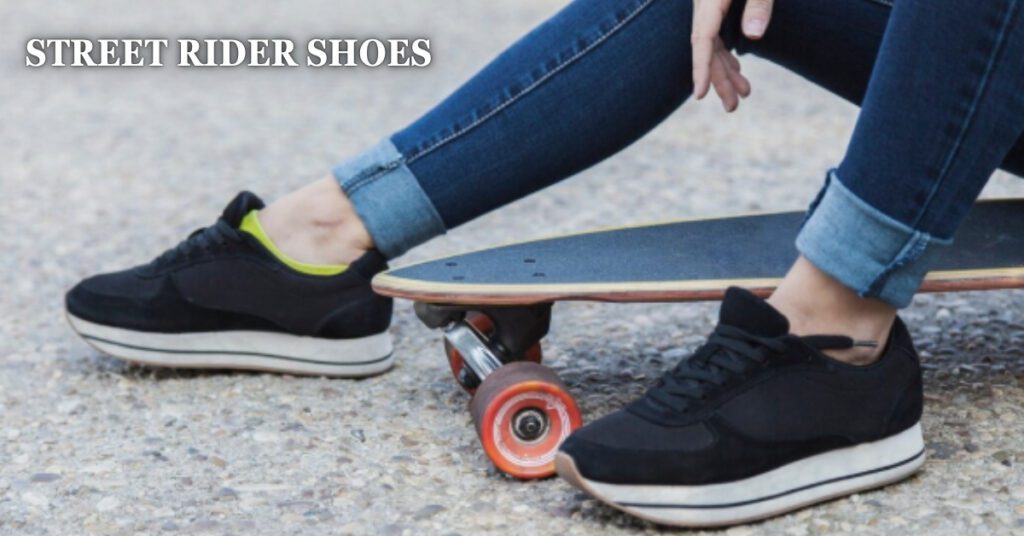
Buying street rider shoes means balancing two different demands, real motorcycle-grade protection and a shoe you would actually wear off the bike, and most guides only cover one side of it. This one covers both, from the sole construction that keeps a foot intact in a low-speed spill to the silhouette that lets you walk into a coffee shop without looking like riding gear. Two real safety standards get explained in plain language, along with the styling choices that decide whether a pair earns a permanent spot in daily rotation. By the end, the features that matter, the ones that are mostly marketing, and how to style the pair you choose should all be clear. Short Answer Street rider shoes are CE-certified motorcycle shoes built to EN 13634, the European standard for riding footwear, shaped like an ordinary sneaker or boot. They add a reinforced sole, ankle padding, and abrasion-resistant material, while staying low-profile enough to wear off the bike. What Street Rider Shoes Actually Means The term covers footwear built for people who ride motorcycles or scooters through city traffic rather than down a racetrack. Underneath a shape that reads as an ordinary sneaker, desert boot, or high-top sits a reinforced heel cup, a stiffened shank through the sole, and abrasion-resistant leather in the zones most likely to hit pavement during a low-speed slide. The goal is protection that never announces itself, so the same pair works for the ride and for the rest of the day. Search the phrase directly and a second, unrelated meaning shows up alongside it. PUMA sells a retro sneaker line called the Easy Rider, born as a running shoe in the 1970s and now sold as a street wear classic in roughly the sixty to one hundred dollar range, and it has nothing to do with motorcycles at all. If a search result mentions vintage color ways or kids sizing, that is the PUMA line, not the protective footwear this guide actually covers. Why This Deserves a Real Pair, Not a Compromise Riding in ordinary sneakers is common, and the reasoning behind it makes sense, since motorcycle boots run heavy, hot, and awkward the moment you step off the bike. The real problem sits in the sole rather than the upper. A crush-resistant sole is the baseline requirement for footwear rated for motorcycle use, and it keeps its shape under the sudden weight of a five hundred pound machine instead of folding the way a canvas or foam sole does. Most articles on this topic point to CE certification without naming which standard actually applies, and the confusion is worth clearing up. EN 17092 governs jackets, trousers, and riding suits, while the standard specific to footwear is EN 13634, which tests impact abrasion resistance, cut resistance, and the transverse rigidity of the whole shoe rather than just the sole. A shoe carrying that certification has been tested for the kind of slide and impact a street rider is likely to encounter, not a generic safety rating borrowed from another category of gear. Genuine CE-certified motorcycle footwear carries a small tag or stamp inside the tongue or on the insole, showing the certification mark alongside the EN 13634 reference, and manufacturers list it on the product page as a matter of course. Checking for this is not complicated. If a listing never mentions certification at all, treat the safety claims on the label as marketing rather than fact. The Features That Actually Matter When You’re Buying Look for a rigid shank or plate running through the midsole, often marketed under names like Z-plate or anti-twist construction, since this is what stops the foot from folding or twisting under load. The sole matters more than anything else on the shoe. A grippy rubber outsole with a flat profile also helps on foot pegs and on the oil-slicked pavement common at intersections and gas stations. Toe boxes and heel cups should carry molded reinforcement, usually a hard TPU insert hidden beneath the upper material, to absorb impact without adding visible bulk. Ankle protection ranges from simple padded collars to flexible foam armor positioned at the ankle bone, and the second option genuinely helps in a low-speed drop or a slide where the foot twists sideways. Riders who commute daily benefit most from the flexible foam version, since it keeps its shape through repeated wear rather than compressing flat after a few months. Full-grain leather offers the best abrasion resistance and ages into a better-looking shoe over time, while split-grain leather and heavy textile keep the price down at some cost to durability. Mesh panels or perforated leather add breathability for warm climates, though a fully mesh upper compromises the abrasion resistance that makes the shoe worth buying in the first place. A middle ground, leather in the high-wear zones with mesh or perforation elsewhere, tends to be the most practical choice for most riders. Price roughly tracks material quality and certification level rather than brand recognition alone. Entry-level pairs with textile uppers and basic shank protection sit at the lower end of the market and make sense for someone testing whether they will actually wear this category of shoe. Mid-range leather pairs with proper ankle armor cover most daily commuters well, while full-grain leather with waterproofing pushes into premium territory that makes more sense for riders putting serious mileage on the shoe. Three Categories Worth Choosing Between Riders searching for this keyword usually fall into one of three groups, and the right shoe changes depending on which one actually describes you. Thinking about it this way is more useful than scrolling through a list of unrelated brand names, since it starts from how you actually ride and dress rather than from a spec sheet. Match yourself honestly to one of the three below before comparing individual pairs. The low-profile sneaker style suits daily commuters who want the shoe to disappear into whatever they already have on. These read as skate shoes or classic trainers from

shoes of volleyball
Style Guides

Shoes of Volleyball: What Actually Makes Them Different

Shoes of volleyball are built for a completely different kind of movement than the running shoes or casual sneakers sitting in most closets. This guide breaks down exactly what separates real court footwear from everyday trainers, why that difference matters the moment you plant and cut on a hardwood floor, and how to pick a pair that actually fits your position and playing level. You will get a straightforward walkthrough of outsole type, cushioning, and fit, plus the mistakes that send beginners home with the wrong box. By the end, you will know precisely what to check before buying and how to keep whatever you choose performing past the first few months. Short Answer Volleyball shoes use gum rubber outsoles for grip on hardwood, low stack cushioning for repeated jump landings, and a wider base than running shoes. Running shoes are built for forward motion, not the sudden lateral cuts volleyball demands, which is why they slip and roll on court. What Actually Makes a Volleyball Shoe Different The outsole is where the biggest difference lives. Running shoes use a harder carbon or blown rubber compound with a herringbone or wavy tread designed to grip pavement and roll smoothly from heel to toe during forward strides. Volleyball shoes use a softer gum rubber compound instead, which behaves almost like a pencil eraser against a clean hardwood or synthetic court, gripping instantly the moment you plant to change direction. That tackiness is exactly what lets a hitter stop a full sprint approach in one step without sliding past the attack line. Cushioning tells a similar story once you look past the marketing copy. A running shoe absorbs impact through a long, rolling heel to toe motion spread across a stride, so the foam sits thicker under the heel and tapers toward the front. Volleyball puts almost all of that landing force straight down through the midfoot and forefoot after a jump, sometimes three to five times body weight in a single landing. Court shoes respond with a lower, more even stack that keeps your foot closer to the floor, which improves stability the instant you land and immediately need to react again. Fit and weight round out the picture. Court shoes are built slightly wider through the midfoot and forefoot than running shoes, giving your foot room to splay and stabilize during a hard lateral cut, and the upper wraps more snugly around the heel to prevent slipping during quick direction changes. Weight stays deliberately low, usually somewhere between nine and twelve ounces for a men’s shoe, because every extra ounce shows up during a match that can involve hundreds of jumps and just as many quick resets. How to Actually Choose a Pair Picking the right pair comes down to four checks, and skipping any one of them is how players end up back in the store a month later. Work through fit first, then outsole, then cushioning, then collar height, in that order, since each step narrows the field before you spend money. None of this requires expert knowledge, just a few minutes of attention before you hand over your card. Start With the Fit Test Stand up in the shoe and check the space beyond your longest toe, which should be roughly the width of your thumb and no more. Lace up fully, then rock forward onto the balls of your feet the way you would before an approach jump, and pay attention to whether your heel lifts inside the shoe. Any heel slip during that motion means the shoe is too big through the ankle collar, even if the length feels correct. A proper fit holds your heel in place through a hard lateral plant without pinching across the widest part of your foot. Check the Outsole Before Anything Else Flip the shoe over and look for a soft, slightly tacky gum rubber sole rather than a harder compound borrowed from a running or lifestyle shoe. Most volleyball specific models list the outsole material directly on the box or product page, often labeled simply as non-marking indoor rubber. Press a fingernail into the sole near the forefoot, and if it barely gives, that shoe was built for pavement durability rather than court grip. This single check eliminates a large share of the shoes that end up sliding out from under new players during their first few sessions. Match Cushioning to Your Position Middle blockers and outside hitters jump the most times per match, often landing with real force through the foot, so they generally benefit from a firmer, more supportive midsole that resists breaking down over a long season. Liberos and defensive specialists spend more time in low, quick shuffles than in the air, and they usually prefer a lower stack height that keeps the foot closer to the floor for faster reaction. Setters sit somewhere between the two, needing enough cushioning for repeated jump sets without losing the ground feel required for quick footwork around the court. Trying on a pair with your actual position in mind, rather than whichever model a teammate recommended, prevents a lot of buyer’s remorse. Decide Between Low, Mid, and High Top Low top volleyball shoes dominate at the competitive level because they weigh less and allow the ankle to move freely through a full range of motion during a jump. Mid top designs add a bit of extra material around the ankle bone without much of a weight penalty, which many recreational players find reassuring during their first season. High tops sit at the far end of that spectrum and suit players coming back from a previous ankle injury, since ankle sprains are among the most common injuries in ball sports and a leading cause of missed playing time. None of the three heights actually prevents a sprain on their own, so anyone with a history of rolled ankles should pair their shoe choice with a proper brace or tape job rather than relying on the collar alone. Once

men's fashion 50's
Style Guides

Men’s Fashion 50’s: How to Wear It Today

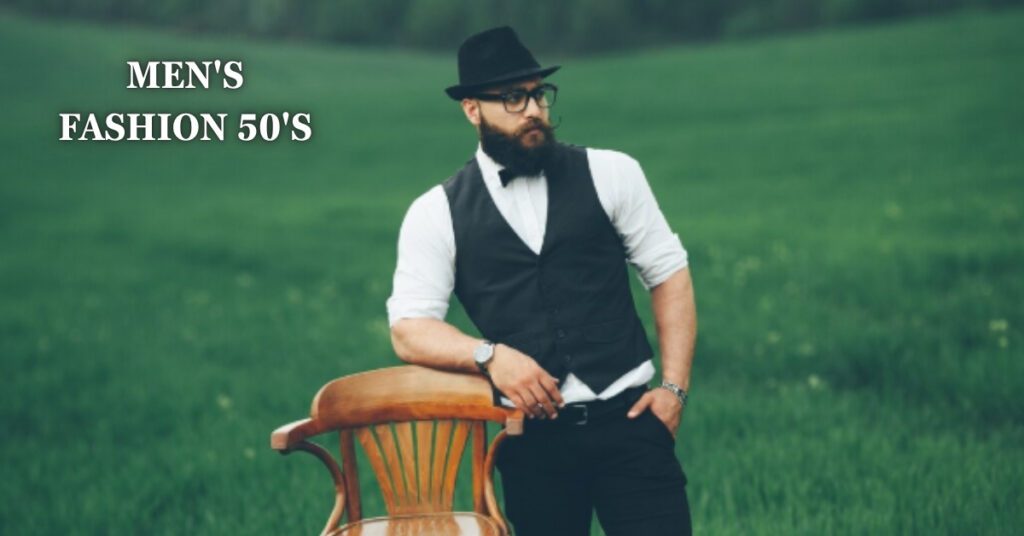
Men’s fashion 50’s built its reputation on two things happening at once, sharply tailored suits on one side and the sudden rise of casual, rebellious style on the other. That contrast is exactly what still makes the decade worth borrowing from today, whether you gravitate toward the buttoned-up gentleman look or the leather jacket and denim rebel style. This guide breaks down what men actually wore in the 1950s, which pieces translate into a modern wardrobe without reading as costume, and how to build a handful of outfits you can genuinely rewear instead of pulling together for one themed party. By the end, you will know exactly which silhouette to buy and how to wear it. Short Answer Tailored suits and sport coats sit on one end of men’s fashion 50’s, and the leather jacket, white tee, and denim rebel look sit on the other, tied together by cuffed trousers, camp collar shirts, and bold color. Today it works best borrowed one signature piece at a time. What Actually Shaped Men’s Fashion in the 1950s Fabric prices dropped sharply after the war, and that single economic shift did more to change how men dressed than any single trend. Suddenly a working man could own more than one or two outfits, which meant casualwear stopped being a rare occasion and became a genuine category of its own. Hollywood pushed the shift further along, with James Dean, Marlon Brando, and Frank Sinatra putting leather jackets, plain white undershirts, and denim in front of an audience that had only ever seen suits on screen. Historians of the period describe this as a genuine split, with elegant tailoring traditions running alongside an entirely new mode of dress pushed forward by working-class youth and rock and roll culture, a divide covered in more depth in Wikipedia’s overview of 1950s Western fashion if you want the full historical picture. Formal dressing did not disappear, though. Suits stayed conservative through most of the decade, usually gray, navy, or charcoal flannel, cut in the American sack style with a straight, boxy line and very little waist suppression. Lapels ran narrow, shoulders carried less padding than they had in the 1940s, and trousers were cuffed with two pleats and a noticeably fuller leg, often close to nine and a half inches wide at the hem. That silhouette is the one most people picture when they hear the phrase 1950s fashion for men, and it holds up well today when the fabric and proportions are updated slightly. There is a third lane that most guides skip entirely, and it happens to be the most wearable one now. College style through the back half of the decade settled into what eventually became known as Ivy or trad dressing, built around oxford cloth button-down shirts, chino trousers, penny loafers, and lightweight cardigans. It never carried the drama of a leather jacket or the formality of a suit, and that is exactly why it ages so well. A modern reader who wants one piece of 1950s style without any theatrical effort should start here, not with the suit or the motorcycle jacket everyone else recommends. Three 1950s Looks Still Worth Wearing Each of these pulls from a real thread of the decade rather than a generic idea of vintage style, and each one holds together as an outfit you could wear this week. None of them require hunting down an actual vintage garment or shopping a costume rental site, since every piece described below is sold new by mainstream menswear retailers right now. Pick the one that matches an occasion already on your calendar rather than trying to collect all three at once. The Ivy Campus Look Start with an oxford cloth button-down shirt in white or pale blue, a pair of flat-front or lightly pleated chinos in khaki or stone, and penny loafers in a warm brown leather. A lambs wool cardigan in navy or oatmeal covers the transition months. The rise sits at the natural waist rather than low, and the chino leg runs straight through the thigh with a slight taper at the ankle instead of the skinny cut most stores default to now. Oxford shirts from most mid-range retailers run somewhere in the seventy to one hundred dollar range, and a well-made cardigan in that same tier will outlast a cheaper one by several winters. The Tailored Gentleman This look leans on an odd jacket rather than a full suit, ideally a mid-weight flannel or tweed sport coat in gray or brown, paired with charcoal wool trousers and a knit tie. Chukka boots in suede replace the dress oxford here, which keeps the whole outfit from tipping into full business formality. Keep the jacket’s shoulder soft and natural rather than heavily structured, since those closer mirrors the American cut of the era than the sharper European tailoring sold under similar names today. The Rebel in Leather and Denim A moto-style leather jacket, a plain white crew neck tee, and straight-leg dark denim make up the core of this one, finished with leather boots or a pair of low-profile white sneakers if boots feel like too much. Fit matters more here than in the other two looks. The jacket should sit close through the shoulder and chest without pulling across the back, and the jeans should hit a true straight leg rather than anything slim or tapered, since the original silhouette was cut for movement, not for showing off a leg line. The Colors and Details That Actually Signal the Decade Hats carried real weight in the 1950s, and the fedora is the one most people picture first, though summer brought out straw boaters and Panama hats just as often. A flat cap showed up in more casual settings and stayed close to the head rather than the taller crown of a dress fedora. Wearing any of these today is the fastest way to signal the era, and it is also the fastest way to look like you are

concert outfits
Outfit Ideas

Concert Outfits That Actually Work All Night Long

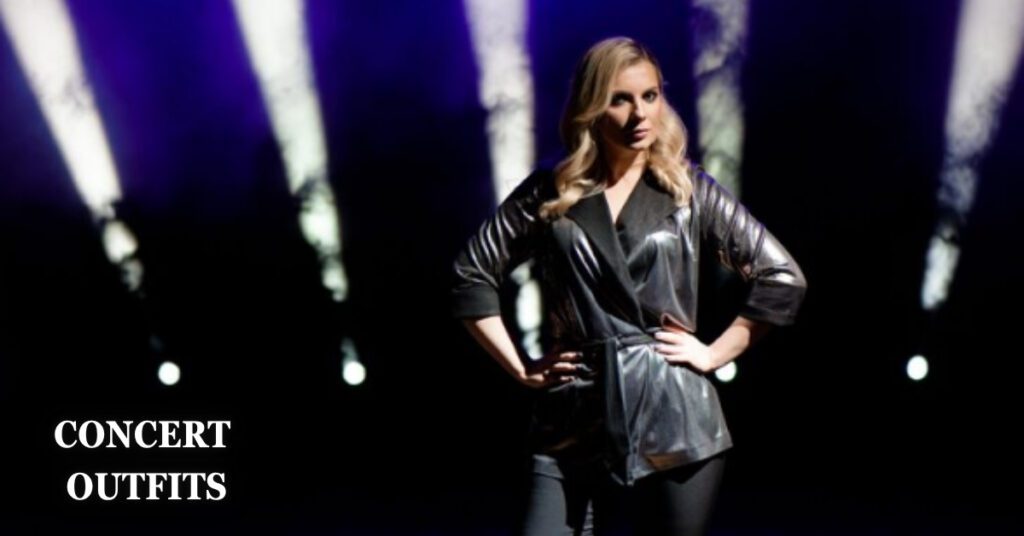
Concert outfits work best when they are built for three hours on your feet, not just the ten minutes you spend taking photos before the opener. This guide covers a small set of pieces that mix into several complete looks, what actually makes an outfit hold up once the crowd starts moving, and how to dress for the specific kind of show you have tickets to. By the end, you will have a repeatable formula for building concert-ready outfits from pieces you can actually wear again, whether that means an arena stage, an outdoor amphitheater, or a packed local venue. The Short Version A concert outfit that works has three parts, something fitted on top or bottom and not both, shoes you have already broken in, and one accessory those photographs well under stage lighting. Layer for temperature swings, and check the venue’s bag policy before you finalize your look. Building Concert Outfits You Can Wear More Than Once Most people shopping for concert outfits buy one complete look for one specific night, and then wonder why the receipt felt steep for three hours of wear. A smarter approach starts with six or seven pieces that recombine into several distinct outfits. Think of it the way a stylist packs for a trip without checking a second suitcase. Pick one pair of jeans in a mid-wash straight or slightly flared cut, priced anywhere from forty to ninety dollars depending on the brand. Denim in that price range tends to hold its shape through a night of dancing better than ultra-cheap stretch denim does. Add a satin slip skirt or a ribbed body on mini in a dark, saturated color like emerald or wine, which reads as dressed up without needing a single sequin. Two tops carry most of the outfit changes, a fitted ribbed tank in a neutral like black or ecru, and a slightly oversized graphic or mesh long sleeve you can wear under or over the tank as the temperature shifts. Layer in one jacket, either a cropped faux leather motto for an edgier look or an oversized denim trucker for something softer. That single jacket can shift the entire mood of an outfit built around the same jeans and top. Finish with two shoe options, flat ankle boots with a heel under an inch and a half for shows where you will be standing for hours, and a pair of platform sneakers for anything more casual. Rotate between the two based on venue and set length. That approach, building around pieces you can wear again, is worth exploring further if you like working from a small, well-chosen set of clothes instead of buying something new for every event. Accessories do the heavy lifting once the base pieces are set. A layered chain necklace or a single statement hoop earring adds contrast without requiring a new top, and a small cross body bag in a bold color signals which specific outfit you built for the night. Budget fifteen to thirty five dollars for costume jewelry that can survive being knocked around in a crowd, since delicate fine jewelry tends to snag on barriers or get lost in a packed room. With those six or seven pieces on hand, you can build a pop show outfit, a rock show outfit, a festival outfit, and a dressed up date night outfit. None of it requires buying something new after the first setup. Swap one jacket or one shoe, and the whole look reads as a different outfit entirely. What Actually Makes a Concert Look Work Proportion decides whether an outfit reads as put together or just busy. Pair a fitted top with a looser bottom, or the reverse, rather than fitted on fitted, which can look stiff once you start moving. A cropped jacket that hits right at the natural waist elongates the leg line more than a hip length jacket does, which matters more than people expect once you are dancing in a crowd. If the top is oversized, roll or tuck one side into the waistband so the silhouette does not swallow your frame entirely. A wide leg jean balances an oversized top better than a straight leg does, since the volume on top needs somewhere to go. Keep one half of the outfit fitted at all times, even if it is just a cropped layer under something loose. Color choices behave differently once stage lighting gets involved than they do in daylight. Deep jewel tones like emerald, wine, and cobalt hold their saturation under colored lights far better than pastels do, which tend to wash out to a flat gray under a purple or blue wash. Metallic, from a silver mini skirt to a bronze slip dress, catch stage light directly and photograph well even from several rows back. That effect is part of why so many concerts looks lean toward sequins or foil fabric for evening shows, especially under colored lighting that flattens everything else. A single accent color against a black or denim base reads as intentional. Three or four competing colors in one outfit, on the other hand, tend to blur together once they are captured in a photo taken from a distance. Fit matters even more at a concert than it does on an ordinary night out, since you could be on your feet for three to five hours once you count the walk in and the wait for an opener. Choose a rise on jeans or shorts that will not need constant adjusting. A low rise that requires tugging every ten minutes gets exhausting fast in a packed crowd. Test any dress or skirt by raising both arms overhead before you buy it, then check that the hem stays at a comfortable point. You will likely repeat that exact motion during the first chorus everyone in the room knows by heart. Shoes should already be broken in before the night of the show, not tested for the first time on concrete floors

Scroll to Top