
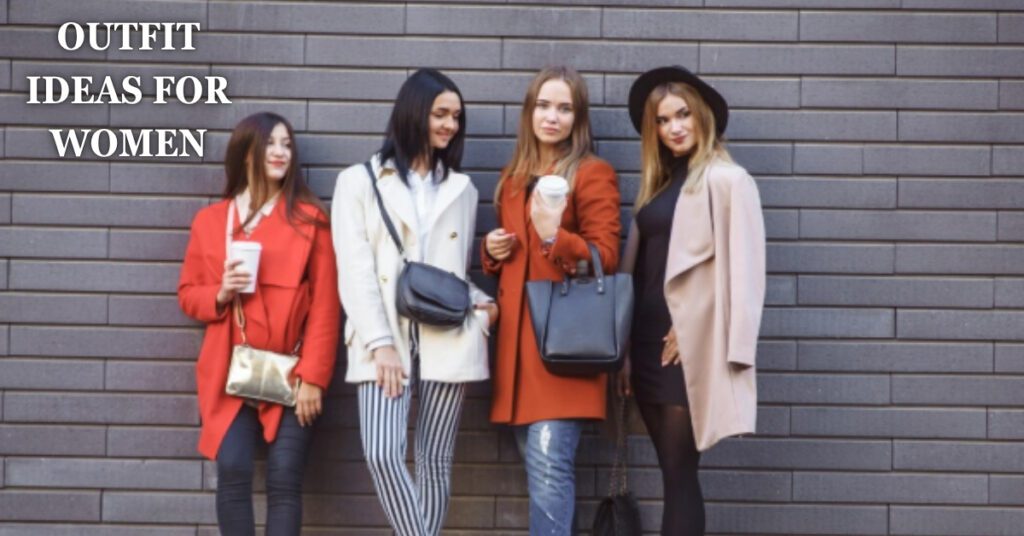
Good outfit ideas for women don’t require a new haul every season, they require knowing how a smaller set of pieces can be rearranged into something that looks intentional every time. This guide breaks down real, wearable combinations for weekdays, work, dinners out, and travel weekends, using pieces most closets already have room for. Instead of one-off looks that only work with items bought specifically for the photo, every combination here is built to repeat, remix, and stretch across more than one occasion. By the end, you’ll have a working system for turning a handful of pieces into dozens of outfits, plus a clear sense of which few pieces are worth buying first.
Short Answer
The best outfit ideas for women come from a small rotation of well-fitted basics, styled differently for work, weekends, and evenings through changes in layering, footwear, and one statement accessory, rather than from buying a new outfit for every event on the calendar.
Why a Smaller Wardrobe Actually Produces More Outfit Ideas
Most people assume more outfit ideas require more clothes, but the math actually runs the other way. Six tops, four bottoms, and three layering pieces mixed on their own already produce seventy two outfit shells before a single shoe or accessory changes anything. Swap in three different shoe options and that number triples to well over two hundred, all from thirteen pieces total. The point isn’t the exact figure, it’s that variety comes from combination, not accumulation.
This isn’t a new idea. The idea of building a wardrobe around a small set of interchangeable pieces traces back to a London boutique owner who popularized what’s now widely called a capsule wardrobe in the 1970s, decades before minimalism became a hashtag.
Applying this to real outfit ideas for women means starting an inventory instead of a shopping list. Lay out what already lives in the closet, group it by top, bottom, layering piece, and shoe, then count the realistic combinations before deciding anything is actually missing. Readers who want to take this further can work through building a twelve piece capsule from scratch, a slower project that pays off across every season once it’s done. Most closets are undercounted rather than under filled, the gap is usually in styling, not inventory.
Everyday Looks You Can Build in Minutes
Everyday outfit ideas for women should survive a coffee run, a grocery stop, and a walk to pick up a kid or a package, all without a mid-morning outfit change. A relaxed straight leg jean paired with a fitted long sleeve tee and a structured crossbody bag covers that range without trying too hard. Add white leather sneakers for daytime ease or swap in a suede loafer once the temperature drops. The whole look sits comfortably in the thirty to fifty dollar range per piece if you’re shopping new, or costs nothing if it’s already in rotation.
A second version leans softer. Wide leg linen trousers in a warm stone or olive tone, paired with a ribbed tank and an oversized cotton shirt worn open, create a breathable silhouette that moves easily through a full day of errands. Roll the shirt sleeves to the elbow and leave the top two buttons open for a slightly undone finish that reads intentional rather than sloppy. Canvas slip-ons or flat mules keep the whole thing grounded.
Work Outfits That Don’t Require a Full Wardrobe Change
Work outfit ideas for women hold up best when they separate into interchangeable parts rather than a single fixed suit. A tailored blazer in charcoal or camel worn over a simple crew neck knit and straight leg trousers reads polished without feeling stiff, and the blazer alone can be pulled into three or four other looks across the week. Point toe flats or a low block heel keep the proportions in check, especially with a slightly cropped trouser.
For offices with a softer dress code, a midi wrap dress in a small print does double duty as both a full outfit and a layering base. Worn alone with sandals it reads warm weather casual, and worn under the same blazer from the first look with tights and ankle boots it shifts into a cooler season office piece without becoming a second purchase. This kind of cross season overlap is where a smaller wardrobe earns its keep.
Dinner and Date Night, Without Starting From Zero
Dinner and date night outfits carry more pressure than they need to, mostly because people reach for something entirely new instead of restyling something familiar. A satin slip skirt paired with the same crew neck knit from the office look, tucked and belted, moves the outfit from desk to dinner in under two minutes. Strappy block heels and a small structured clutch finish the transition.
A monochrome option works just as well for readers who prefer less fuss. Head to toe in a single deep tone, whether that’s burgundy, forest, or navy, creates an elongating line that reads deliberate rather than plain, especially in a slightly fluid fabric like a matte crepe or a soft ponte knit. Gold hoop earrings and one bold lip color are enough embellishment, more than that starts competing with the color itself.
Weekend and Travel Looks That Pack Light
Weekend and travel outfit ideas benefit from pieces that pack flat and layer easily, since the same look often has to work across a plane, a walking tour, and a casual dinner in one day. A soft knit jumpsuit in a wrinkle resistant fabric covers all three if it’s paired with a lightweight utility jacket that can come off indoors and go back on for a cooler evening.
Denim on denim, done in two different washes rather than a matching set, avoids looking costume-like while still feeling put together for a full day of movement. A relaxed straight leg jean in a mid wash under a cropped light wash jacket, with a plain white tee and a canvas tote, covers museum visits, market browsing, and casual lunches without a wardrobe change. Comfortable white sneakers do the heavy lifting here, since travel days rarely forgive an uncomfortable shoe.
Layering: Making One Outfit Work Across Two Seasons
Layering turns a single outfit idea into two or three, which matters more than most guides admit. A sleeveless midi dress built for warm weather becomes a cold weather option the moment a fine gauge turtleneck goes underneath it and tights and boots go on below it. Nothing about the original outfit gets replaced, it just gets extended.
The same logic applies in reverse for a heavier piece. A structured wool coat worn open over a warm weather outfit, rather than zipped and buttoned, softens the transition on days that start cold and warm up by afternoon, which happens often enough in early spring and late fall to plan for. Keeping one or two transitional pieces on hand does more for a wardrobe’s range than adding several new season specific items.
The Outfit Idea Mistake That Keeps Closets Full and Options Feeling Thin
A common mistake in how people search for outfit ideas for women is treating each idea as something to buy toward, rather than something to build from what’s already owned. Scrolling through inspiration and buying the exact pieces shown rarely produces a wardrobe that works together, it produces a collection of individually cute items that don’t combine with anything else in the closet. That’s how a full closet can still feel like it has nothing to wear.
Part of the confusion comes from how most outfit content gets styled and photographed, always as one finished look, rarely broken apart or shown recombined with anything else. Readers absorb the look as a single unit instead of a set of separately useful pieces. Correcting for this just means asking one extra question before buying anything new, whether the piece can do at least two more outfits beyond the one it’s pictured in.
What Actually Makes an Outfit Work
Proportion decides more of an outfit’s success than any single piece in it. Pairing something fitted with something loose, a slim trouser with a relaxed top or a full skirt with a close fitted knit, keeps the overall silhouette balanced instead of shapeless or overly tight throughout. This one rule fixes more outfits than any accessory ever could.
Color does the next heaviest lifting. Sticking to two or three colors per outfit, with one acting as the dominant tone and the others as accents, reads as considered even when the pieces themselves are simple basics. Neutral bases, black, cream, camel, and navy, make this easier since almost any accent color sits comfortably against them without much extra thought.
Fit matters more than fabric quality, price, or trend relevance combined. A well hemmed pair of trousers or a jacket with sleeves that end at the right point on the wrist changes how an entire outfit reads, often more dramatically than swapping the actual pieces would. A twenty dollar basic that’s properly fitted will outperform an expensive piece that isn’t, most of the time.
Adjusting These Ideas for Your Body, Budget, and Season
Every combination above can shift with body type without losing the core idea. Pear shaped readers can shift emphasis upward with a statement collar or shoulder detail, while apple shaped readers often get more mileage from an empire waist or a longer, unstructured layer that skips cinching at the natural waist entirely. The formulas hold, only the specific cut needs adjusting.
Budget works the same way in reverse. Every look above can run entirely on pieces in the twenty to sixty dollar range, or it can lean into one higher cost investment piece, typically a coat, a bag, or shoes, since those three get the most repeat wear and show quality fastest. Spending more on a basic tee or tank rarely changes how an outfit reads, spending more on outerwear almost always does.
Season adjusts through fabric weight more than through completely different clothes. The exact same silhouette in linen for summer and in a brushed cotton or wool blend for winter keeps the styling formula intact, while the outfit itself stays genuinely comfortable across a much wider temperature range than most closets are currently built for.
Conclusion
The fastest way to put any of this to use is picking one section above, work, weekend, or dinner, and building just that outfit from pieces already in the closet before buying anything new. Once that combination works, apply the same layering and proportion rules to a second look, then a third. Outfit ideas for women multiply fastest through repetition and small variation, not through constant new purchases, and the wardrobe that results tends to actually get worn.
FAQ
How many outfits can you actually build from a small wardrobe?
A base of around ten to thirteen mixable pieces, tops, bottoms, layers, and shoes, typically produces well over one hundred realistic combinations once you count shoe and layering swaps, not just the two or three most people default to.
What’s the fastest way to make a basic outfit look more finished?
Change one thing that isn’t clothing, usually the shoe, the bag, or one piece of jewelry, since that single swap often does more visual work than adding an entirely new item.
Can you dress for the office without buying separate work clothes?
Yes, in most casual to business casual offices a blazer or cardigan added over an existing weekend outfit, plus a slightly dressier shoe, usually clears the bar without needing a dedicated work wardrobe.
Does the same outfit work for both day and evening?
Often yes, since swapping flats for heels, adding one bolder accessory, and changing the bag is usually enough to shift a daytime outfit into something appropriate for dinner afterward.
How do you keep re-wearing pieces from looking repetitive?
Rotate which piece plays the lead role each time, letting the top carry one outfit and the bottom carry the next, since a wardrobe reads as repetitive only when the exact same combination repeats, not when individual pieces do.