
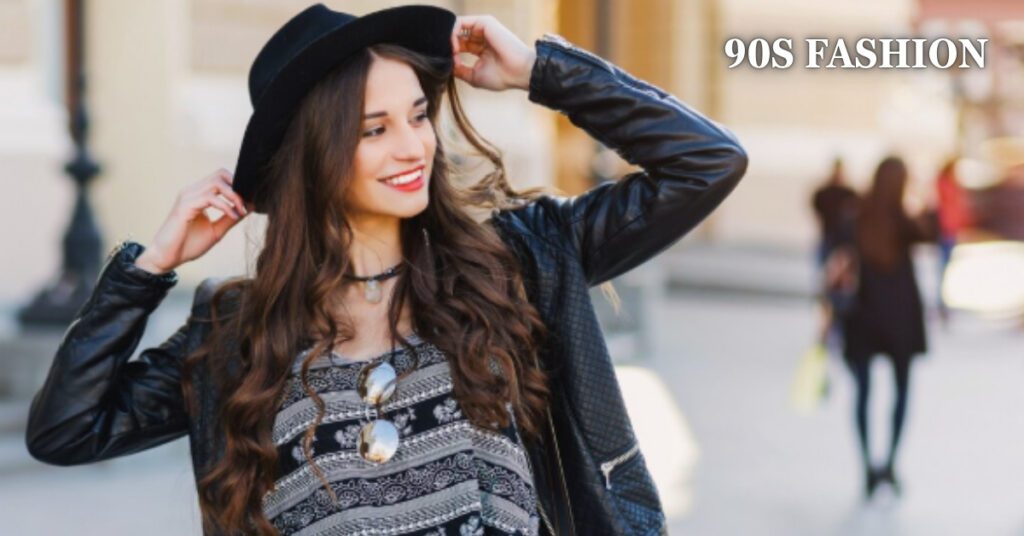
90s fashion has moved past its first wave of nostalgia and settled into something closets can actually use again. Slip dresses, cargo pants, chunky sneakers, and boxy flannel are back in stores and thrift racks, but most guides stop at naming the trends without explaining how to wear them without looking like a costume. This piece breaks down what defined the decade’s four core style tribes, which pieces are worth spending real money on, and how to fold one or two of them into outfits you would wear on an ordinary Tuesday. By the end, you will know which era pieces suit your existing wardrobe and how to avoid the most common styling mistake people make with this trend.
In Short
The decade breaks down into grunge, minimalism, hip-hop street wear and preppy prep, built around baggy jeans, slip dresses, flannel, crop tops and combat boots. To wear it today, pick one signature piece, keep the rest simple, and avoid dressing head to toe in one subculture’s uniform.
The Four Style Tribes That Actually Shaped the Decade
Grunge came out of Seattle in the early part of the decade and turned deliberately unfinished dressing into a genuine style statement. Bands like Nirvana and Pearl Jam wore midweight flannel shirts left open over band tees, paired with ripped straight leg jeans and worn in combat boots. The look was never meant to be polished, and that unfinished quality is exactly why it still reads as effortless today. This shift away from 1980s polish is documented well in Wikipedia’s overview of 1990s fashion, and grunge counts as its loudest early signal.
Minimalism sat at the opposite end of the same decade and became just as influential. Calvin Klein style ad campaigns of the era pushed slip dresses, tank tops, and slouchy trousers in muted neutrals, favoring a bias cut silhouette that skimmed the body instead of shaping it. Kate Moss became the face of this look, wearing thin spaghetti strap dresses in viscose or silk blends that cost relatively little to produce yet photographed expensively. Where grunge was about not trying, minimalism was about trying quietly, favoring clean lines over anything busy.
Hip hop and sportswear supplied the third major thread, and it moved fashion further from the runway than either grunge or minimalism managed. Brands like Tommy Hilfiger, FUBU, and Nike became status symbols, worn through baggy jeans sitting low on the hip, oversized tracksuits, and bucket hats. Tupac and LL Cool J made baggy denim a cultural shorthand for street credibility, while Timberland boots and gold jewelry rounded out a look built on visible logos and loose proportions. Basketball culture fed directly into this style too, with players popularizing low slung jeans off the court just as much as on it.
Preppy fashion pulled from a completely different reference point, borrowing heavily from school uniforms and East Coast collegiate style. Plaid mini skirts, oxford shirts, and cardigans in argyle or cable knit patterns defined the look, often finished with penny loafers or boat shoes. Films and shows leaned hard into this aesthetic, with Cher Horowitz’s plaid blazer sets in Clueless becoming one of the most referenced preppy looks of the decade. The style read as polished and a little bit ironic at the same time, which is part of why it has aged so well into a modern capsule wardrobe.
The Real Pieces Worth Spending Money On
A slip dress is the single most versatile piece to bring back from the decade, and it is worth being selective about fabric. Secondhand shops typically sell 90s originals in polyester or acetate for eight to twenty dollars, while a silk or viscose blend from a mid-range retailer runs closer to seventy to a hundred and twenty dollars new. The higher fabric content matters here because it changes how the dress drapes and photographs under normal indoor light, not just how it feels against skin. Look for a bias cut with adjustable straps so the fit can be corrected without alterations.
Baggy and mom jeans define the decade’s denim, and the detail that separates a good pair from a costume pair is the rise. A true 90s high rise sits around eleven to twelve inches, noticeably higher than the nine to ten inch rise common in most jeans sold today. Rigid, non-stretch denim in a medium stonewash gives the most accurate silhouette, and it tends to hold its shape better over years of wear than a stretch blend does. Thrifted originals in this cut often run fifteen to thirty dollars, while new reproductions from denim focused brands land closer to ninety to a hundred and thirty.
A midweight flannel shirt in a brushed cotton finish is worth owning even outside of any 90s specific outfit, since it layers over almost anything through three seasons of the year. Combat boots deserve the same treatment as denim, meaning it is worth paying for full grain leather with a lug sole rather than a synthetic imitation that will crack within a year. Both pieces need a genuine break in period, so buying them a season ahead of when you plan to wear them heavily is a small but real piece of practical advice most guides skip.
Smaller pieces round out the decade without asking for much of a budget. A ribbed cotton baby tee, a nylon mini shoulder bag, and tinted rectangular sunglasses each cost under thirty dollars new and do most of the work of signaling the era. Chokers and butterfly hair clips fall into the same low cost, high signal category, which makes them useful for testing whether a trend suits you before committing to anything more expensive.
The 90s Styling Mistake That Reads as Costume
The most common mistake with 90s fashion is treating it as a full uniform instead of a single reference point. A choker, platform sandals, a baby tee, a plaid mini skirt, and butterfly clips worn together might look accurate to the decade, but on a real body in a real setting it reads as a Halloween costume rather than a considered outfit. The gap between an editorial photo and an actual outfit comes down to proportion and restraint, and most trend round ups skip that part entirely.
This happens because most 90s content online is built from Pinterest boards and mood boards, which are collages of the era’s most photogenic pieces rather than single outfits anyone actually wore to the grocery store. Those boards were never meant to be shopping lists. Treating five separate signifiers as one outfit formula is the single biggest reason 90s inspired looks miss the mark.
The fix is to pick exactly one hero piece from the decade, a slip dress, or a pair of baggy jeans, or a flannel shirt, and build the rest of the outfit from pieces already living in your closet. That single item does the styling work, while everything else stays contemporary and neutral so the whole look reads as intentional rather than dressed up. It is the same logic behind building a smaller, harder working wardrobe around pieces that mix with what you already own, just applied to one specific decade instead of your closet as a whole.
Building Outfits That Actually Work
Every decade of fashion runs on proportion, and 90s pieces work best when one half of the outfit stays fitted while the other stays loose. Pair baggy jeans with a fitted ribbed tank rather than another oversized piece on top, since two loose garments together tend to erase the waist and add visual bulk. The same rule flips for the slip dress, which is already fitted through the body, so it wants an oversized blazer, a cropped cardigan, or a chunky knit layered over it rather than another fitted piece.
For an ordinary weekend, a flannel shirt tied at the waist over a plain white tee, straight leg jeans, and white leather sneakers gives an accurate reference without trying too hard. Swap the sneakers for combat boots and the look shifts toward grunge without changing anything else about the outfit, which is a useful trick when you only own one flannel and want two distinct looks from it. A thin leather belt at the natural waist keeps the silhouette from reading sloppy, since that detail is usually what separates a deliberate reference from clothes that just happen to be loose.
In a work setting where full grunge would read as too casual, the slip dress earns its place as a layering piece rather than standalone eveningwear. Worn over a fitted long sleeve tee or turtleneck with tights and loafers, it becomes a genuinely office appropriate silhouette that borrows the decade’s minimalism without borrowing its more casual signals. A structured blazer over the same combination pushes it even further toward workwear while keeping the slip dress visible at the hem and neckline.
Rise and length matter more than trend accuracy when it comes to fit. A high rise jean that hits above the natural waist tends to lengthen the leg line regardless of body type, while a slip dress cut on the bias skims rather than clings, which is part of why it has remained wearable across so many body shapes since it first appeared. Hemming a thrifted flannel or jean to your actual proportions, rather than wearing it exactly as found, is usually the difference between an outfit that looks styled and one that looks borrowed.
Seasonal and Occasion Variations
Cold weather is where flannel earns its keep, worn buttoned under a wool overcoat with the collar visible rather than as the only outer layer. Combat boots with a thick sock handle winter better than the platform sneakers associated with the decade’s sportier side, and they pair just as easily with the same jeans used for the flannel look above. A wool beanie stands in for the era’s bucket hat and carries the same casual signal without looking out of place under a heavier coat.
Warm weather favors the slip dress on its own, worn with flat sandals and minimal jewelry so the fabric and cut can do the work without extra layers competing for attention. A lightweight mini shoulder bag replaces the need for a jacket with pockets, which keeps the whole outfit from feeling overdressed for actual summer heat. Choosing a viscose or cotton blend over polyester matters more here than in any other season, since natural fibers breathe better against skin once real heat sets in.
Spring and early fall reward layering the era’s pieces against each other instead of against outside weather. A cropped cardigan over a ribbed baby tee, paired with wide leg trousers instead of jeans, moves the same styling formula into a slightly dressier register without buying anything new. Occasion wise, this combination works equally well for a casual dinner or a daytime event where jeans would read as too relaxed.
Conclusion
Start with one piece rather than five. A slip dress, a pair of high rise baggy jeans, or a genuinely good flannel shirt will do more for a 90s fashion outfit than a full cart of era accessories ever will. Buy secondhand where the fabric and construction hold up, since 90s pieces were generally made to last longer than most fast fashion sold today. Wear that one piece with clothes already in rotation, and the outfit will read as personal style rather than a themed costume.
FAQ
What made 90s fashion so different from the decade before it?
It replaced the 1980s’ padded shoulders and bright maximalist with a leaner, quieter silhouette across both grunge and minimalist style. Comfort and low maintenance dressing became genuinely fashionable rather than a compromise.
Who are the fashion icons most associated with the decade?
Kate Moss and Cindy Crawford defined 90s minimalism, while Aaliyah and TLC shaped the era’s hip hop influenced street wear. Kurt Cobain remains the reference point for grunge specifically.
How do I bring 90s style into a work wardrobe?
Lean on the minimalist and preppy threads rather than grunge or sportswear, since slip dresses layered under blazers and plaid worn as tailored separates read as polished rather than casual. Save denim and combat boots for outside office hours.
Which accessories actually finish a 90s inspired outfit?
A choker, tinted rectangular sunglasses, and a small nylon or leather shoulder bag do most of the work without needing a full themed outfit underneath. Butterfly clips and a thin belt worn over a dress are easy, low cost additions.
Is 90s fashion the same thing as Y2K style?
No, Y2K style is generally dated from around 1997 to the early 2000s and leans into low rise jeans, metallics, and visible logos more heavily than the broader 90s decade. Treating them as identical usually results in an outfit that skews later and shinier than true 90s minimalism or grunge.