
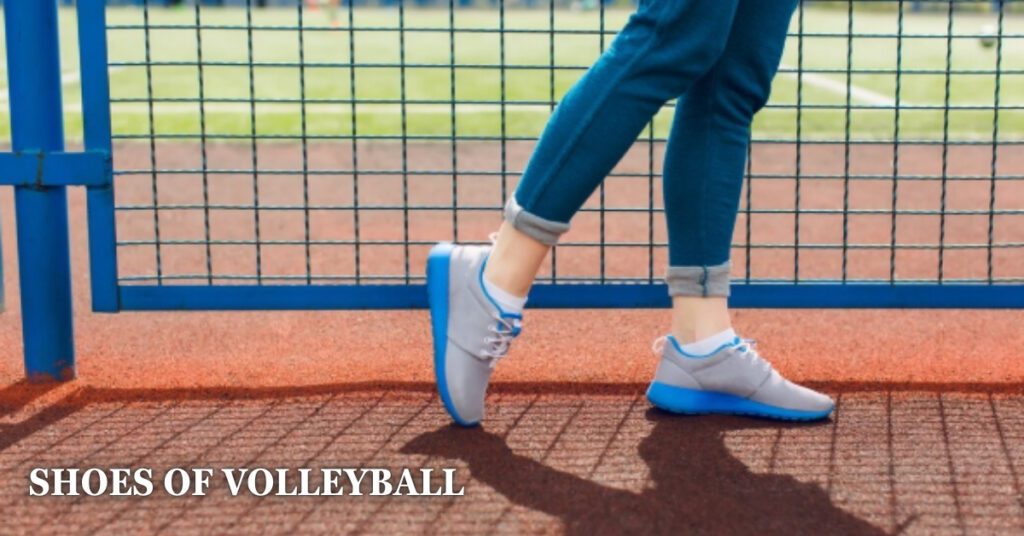
Shoes of volleyball are built for a completely different kind of movement than the running shoes or casual sneakers sitting in most closets. This guide breaks down exactly what separates real court footwear from everyday trainers, why that difference matters the moment you plant and cut on a hardwood floor, and how to pick a pair that actually fits your position and playing level. You will get a straightforward walkthrough of outsole type, cushioning, and fit, plus the mistakes that send beginners home with the wrong box. By the end, you will know precisely what to check before buying and how to keep whatever you choose performing past the first few months.
Short Answer
Volleyball shoes use gum rubber outsoles for grip on hardwood, low stack cushioning for repeated jump landings, and a wider base than running shoes. Running shoes are built for forward motion, not the sudden lateral cuts volleyball demands, which is why they slip and roll on court.
What Actually Makes a Volleyball Shoe Different
The outsole is where the biggest difference lives. Running shoes use a harder carbon or blown rubber compound with a herringbone or wavy tread designed to grip pavement and roll smoothly from heel to toe during forward strides. Volleyball shoes use a softer gum rubber compound instead, which behaves almost like a pencil eraser against a clean hardwood or synthetic court, gripping instantly the moment you plant to change direction. That tackiness is exactly what lets a hitter stop a full sprint approach in one step without sliding past the attack line.
Cushioning tells a similar story once you look past the marketing copy. A running shoe absorbs impact through a long, rolling heel to toe motion spread across a stride, so the foam sits thicker under the heel and tapers toward the front. Volleyball puts almost all of that landing force straight down through the midfoot and forefoot after a jump, sometimes three to five times body weight in a single landing. Court shoes respond with a lower, more even stack that keeps your foot closer to the floor, which improves stability the instant you land and immediately need to react again.
Fit and weight round out the picture. Court shoes are built slightly wider through the midfoot and forefoot than running shoes, giving your foot room to splay and stabilize during a hard lateral cut, and the upper wraps more snugly around the heel to prevent slipping during quick direction changes. Weight stays deliberately low, usually somewhere between nine and twelve ounces for a men’s shoe, because every extra ounce shows up during a match that can involve hundreds of jumps and just as many quick resets.
How to Actually Choose a Pair
Picking the right pair comes down to four checks, and skipping any one of them is how players end up back in the store a month later. Work through fit first, then outsole, then cushioning, then collar height, in that order, since each step narrows the field before you spend money. None of this requires expert knowledge, just a few minutes of attention before you hand over your card.
Start With the Fit Test
Stand up in the shoe and check the space beyond your longest toe, which should be roughly the width of your thumb and no more. Lace up fully, then rock forward onto the balls of your feet the way you would before an approach jump, and pay attention to whether your heel lifts inside the shoe. Any heel slip during that motion means the shoe is too big through the ankle collar, even if the length feels correct. A proper fit holds your heel in place through a hard lateral plant without pinching across the widest part of your foot.
Check the Outsole Before Anything Else
Flip the shoe over and look for a soft, slightly tacky gum rubber sole rather than a harder compound borrowed from a running or lifestyle shoe. Most volleyball specific models list the outsole material directly on the box or product page, often labeled simply as non-marking indoor rubber. Press a fingernail into the sole near the forefoot, and if it barely gives, that shoe was built for pavement durability rather than court grip. This single check eliminates a large share of the shoes that end up sliding out from under new players during their first few sessions.
Match Cushioning to Your Position
Middle blockers and outside hitters jump the most times per match, often landing with real force through the foot, so they generally benefit from a firmer, more supportive midsole that resists breaking down over a long season. Liberos and defensive specialists spend more time in low, quick shuffles than in the air, and they usually prefer a lower stack height that keeps the foot closer to the floor for faster reaction. Setters sit somewhere between the two, needing enough cushioning for repeated jump sets without losing the ground feel required for quick footwork around the court. Trying on a pair with your actual position in mind, rather than whichever model a teammate recommended, prevents a lot of buyer’s remorse.
Decide Between Low, Mid, and High Top
Low top volleyball shoes dominate at the competitive level because they weigh less and allow the ankle to move freely through a full range of motion during a jump. Mid top designs add a bit of extra material around the ankle bone without much of a weight penalty, which many recreational players find reassuring during their first season. High tops sit at the far end of that spectrum and suit players coming back from a previous ankle injury, since ankle sprains are among the most common injuries in ball sports and a leading cause of missed playing time. None of the three heights actually prevents a sprain on their own, so anyone with a history of rolled ankles should pair their shoe choice with a proper brace or tape job rather than relying on the collar alone.
Once you’ve played a Season or Two
Rotating two pairs instead of living in one extends the life of both more than most players expect. Compressed foam midsoles need real recovery time to bounce back to their original height, often close to a full day of rest, so a shoe worn for back to back practices never gets the chance to fully rebound before the next session. Swapping between two pairs on alternating days keeps the cushioning responsive for longer and spreads wear more evenly across the outsole. It also gives you a backup the moment a lace snaps or a sole starts to peel before a tournament.
Budget tells its own story once you look past the flashiest releases. Solid indoor volleyball shoes generally start around eighty dollars for a reliable entry level model, climb into the one hundred to one hundred forty dollar range for the mid-tier options most competitive club players actually wear, and push past one hundred eighty dollars for the newest cushioning technology from the major brands. Paying more mostly buys lighter materials and marginally betters energy return rather than a fundamentally different shoe, so a beginner rarely needs to start at the top of that range. Save the premium purchase for once you know your position, your foot shape, and how hard you actually play.
The Basketball Shoe Shortcut That Actually Backfires
A lot of beginners reach for a basketball shoe already sitting in their closet, reasoning that both sports happen on an indoor court with plenty of jumping involved. The confusion makes sense on the surface, since both shoe categories share a similar silhouette and both brands often market crossover appeal between the two sports. Basketball shoes are actually built heavier, with thicker cushioning designed to survive repeated straight up jumps and near constant contact over a long game. Volleyball asks for something closer to the opposite, favoring a lighter shoe that supports fast, repeated changes of direction across dozens of short rallies rather than one continuous run of play.
The weight difference shows up the moment you try to react to a quick set or dig a hard driven ball. A basketball shoe that feels perfectly stable standing under the rim can feel sluggish during the split second lateral shuffle volleyball demands on nearly every point. Borrowing a basketball shoe for one pickup game will not cause any harm, but building a season around the wrong category slows a player down in ways that are easy to blame on conditioning instead of footwear.
Where Beginners Actually Lose Money
Wearing volleyball shoes outside the gym does more permanent damage than most players realize, because that same soft gum rubber compound that grips a clean hardwood floor is also soft enough to pick up dirt and small stones from concrete or asphalt. Once grit works its way into the texture of the sole, it stays there, and no amount of wiping fully restores the original tack. A single walk across a parking lot in a brand new pair can noticeably dull the traction that made the shoe worth buying in the first place. Keeping a pair strictly for indoor court use, and swapping into regular sneakers the moment you step outside, protects the one feature you actually paid for.
Sizing mistakes come in a close second, particularly among parents buying for a growing teenager and players ordering online without trying a pair on first. Volleyball shoes generally run true to size compared with everyday sneakers, so sizing up out of habit usually just adds unwanted space around the heel. Skipping the brand loyalty trap matters too, since a player’s foot shape often suits one brand’s last far better than another regardless of which logo a favorite pro happens to wear. Trying on both a half size up and down within the same model, when that option exists, catches most fit problems before they become a returns headache.
Keeping the Grip You Paid For
A five minute habit after every session adds real months to a pair of court shoes. Wipe the outsole down with a slightly damp cloth to remove the layer of court dust, floor residue, and skin oil that builds up and slowly dulls the rubber’s natural tack. Let the shoes air out fully before packing them away, since sealing damp foam and mesh inside a closed gym bag encourages odor and breaks down the cushioning faster than normal use ever would. Heat is the other quiet killer, so leaving a pair in a hot car trunk or near a radiator will soften and warp the gum rubber compound over time.
The same wash cold, repair first mindset used for stretching the life of everyday clothing carries over surprisingly well to the gear sitting in a gym bag. Replace a pair once the tread on the forefoot visibly flattens or smooth’s out, even if the upper still looks presentable, since a worn outsole is a traction problem no amount of cleaning will fix. Most serious players get somewhere between one and two full seasons out of a pair worn several times a week, less if practices happen on a dusty or outdoor adjacent court. Treating the shoes as a wearable tool rather than a one time purchase keeps both performance and budget in better shape.
Conclusion
The single most useful thing to remember is that grip comes from the sole material, not the logo on the side, so start every search there before comparing colors or brand names. Head into a store if one is nearby, do the fit test standing up, and walk out with whichever pair holds your heel and grips the floor the way this guide describes. Everything else, from cushioning tier to price, matters far less than getting those two fundamentals right on day one.