
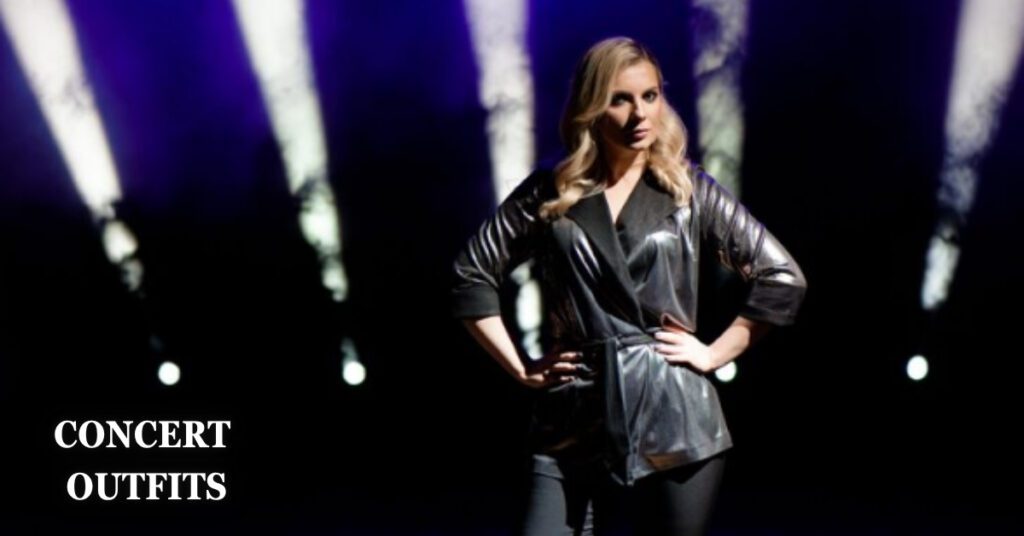
Concert outfits work best when they are built for three hours on your feet, not just the ten minutes you spend taking photos before the opener. This guide covers a small set of pieces that mix into several complete looks, what actually makes an outfit hold up once the crowd starts moving, and how to dress for the specific kind of show you have tickets to. By the end, you will have a repeatable formula for building concert-ready outfits from pieces you can actually wear again, whether that means an arena stage, an outdoor amphitheater, or a packed local venue.
The Short Version
A concert outfit that works has three parts, something fitted on top or bottom and not both, shoes you have already broken in, and one accessory those photographs well under stage lighting. Layer for temperature swings, and check the venue’s bag policy before you finalize your look.
Building Concert Outfits You Can Wear More Than Once
Most people shopping for concert outfits buy one complete look for one specific night, and then wonder why the receipt felt steep for three hours of wear. A smarter approach starts with six or seven pieces that recombine into several distinct outfits. Think of it the way a stylist packs for a trip without checking a second suitcase.
Pick one pair of jeans in a mid-wash straight or slightly flared cut, priced anywhere from forty to ninety dollars depending on the brand. Denim in that price range tends to hold its shape through a night of dancing better than ultra-cheap stretch denim does. Add a satin slip skirt or a ribbed body on mini in a dark, saturated color like emerald or wine, which reads as dressed up without needing a single sequin.
Two tops carry most of the outfit changes, a fitted ribbed tank in a neutral like black or ecru, and a slightly oversized graphic or mesh long sleeve you can wear under or over the tank as the temperature shifts. Layer in one jacket, either a cropped faux leather motto for an edgier look or an oversized denim trucker for something softer. That single jacket can shift the entire mood of an outfit built around the same jeans and top.
Finish with two shoe options, flat ankle boots with a heel under an inch and a half for shows where you will be standing for hours, and a pair of platform sneakers for anything more casual. Rotate between the two based on venue and set length. That approach, building around pieces you can wear again, is worth exploring further if you like working from a small, well-chosen set of clothes instead of buying something new for every event.
Accessories do the heavy lifting once the base pieces are set. A layered chain necklace or a single statement hoop earring adds contrast without requiring a new top, and a small cross body bag in a bold color signals which specific outfit you built for the night. Budget fifteen to thirty five dollars for costume jewelry that can survive being knocked around in a crowd, since delicate fine jewelry tends to snag on barriers or get lost in a packed room.
With those six or seven pieces on hand, you can build a pop show outfit, a rock show outfit, a festival outfit, and a dressed up date night outfit. None of it requires buying something new after the first setup. Swap one jacket or one shoe, and the whole look reads as a different outfit entirely.
What Actually Makes a Concert Look Work
Proportion decides whether an outfit reads as put together or just busy. Pair a fitted top with a looser bottom, or the reverse, rather than fitted on fitted, which can look stiff once you start moving. A cropped jacket that hits right at the natural waist elongates the leg line more than a hip length jacket does, which matters more than people expect once you are dancing in a crowd.
If the top is oversized, roll or tuck one side into the waistband so the silhouette does not swallow your frame entirely. A wide leg jean balances an oversized top better than a straight leg does, since the volume on top needs somewhere to go. Keep one half of the outfit fitted at all times, even if it is just a cropped layer under something loose.
Color choices behave differently once stage lighting gets involved than they do in daylight. Deep jewel tones like emerald, wine, and cobalt hold their saturation under colored lights far better than pastels do, which tend to wash out to a flat gray under a purple or blue wash. Metallic, from a silver mini skirt to a bronze slip dress, catch stage light directly and photograph well even from several rows back.
That effect is part of why so many concerts looks lean toward sequins or foil fabric for evening shows, especially under colored lighting that flattens everything else. A single accent color against a black or denim base reads as intentional. Three or four competing colors in one outfit, on the other hand, tend to blur together once they are captured in a photo taken from a distance.
Fit matters even more at a concert than it does on an ordinary night out, since you could be on your feet for three to five hours once you count the walk in and the wait for an opener. Choose a rise on jeans or shorts that will not need constant adjusting. A low rise that requires tugging every ten minutes gets exhausting fast in a packed crowd.
Test any dress or skirt by raising both arms overhead before you buy it, then check that the hem stays at a comfortable point. You will likely repeat that exact motion during the first chorus everyone in the room knows by heart. Shoes should already be broken in before the night of the show, not tested for the first time on concrete floors for hours at a stretch.
Dressing for the Actual Show You Have Tickets To
The best concert outfit changes based on where you are actually going. An indoor arena, an outdoor amphitheater, and a five hundred capacity club create very different conditions across the same three hours. Indoor arenas packed with a sold out crowd routinely run warmer than the temperature outside, sometimes noticeably so once body heat and stage lighting are factored in, so an outfit that feels right in the parking lot can feel overdressed by the second song.
Outdoor amphitheaters swing the opposite direction once the sun goes down. In spring and fall especially, a seventy degree afternoon can drop into the fifties by the time the encore starts. Planning for the specific venue type, not just the season on the calendar, is what actually keeps an outfit comfortable from doors to last call.
Arena and stadium pop shows
Arena shows reward an outfit that reads well from a distance and still moves easily in a packed crowd. A fitted tank or corset top under an open denim or leather jacket, paired with wide leg jeans and platform sneakers, covers the walk from parking structure to seat and the dancing that follows. Add a body chain or layered necklaces for sparkle, and keep the jacket easy to tie around your waist once the crowd heats up and arena temperatures climb.
Outdoor festivals and amphitheaters
Festival and amphitheater dressing is really an exercise in layering for a swing you can predict but not control. Start with breathable cotton or linen blend top and denim shorts or a flowy tiered skirt, then pack a foldable layer, a flannel or thin puffer, for once the temperature drops. Closed toe shoes matter more outdoors than indoors, since lawn seating and gravel walkways are far less forgiving on bare toes than a smooth arena floor.
Small clubs and indie shows
Small venues and club shows call for different priorities than a stadium does, since you stand closer to speakers and to other people, often without assigned seating at all. Skip anything with a long train, oversized sleeves, or a skirt that needs constant adjusting, and swap heels for flats or low boots once you know the room has no seating. A simple fitted dress or a tee and jeans combination with one strong accessory, a bold earring or a statement belt, reads better in a tight room than an elaborate outfit does.
Country shows
Country shows lean into denim, boots, and Western detail, but the outfit holds together better with restraint than with every trend piled onto one look. A denim mini skirt or fitted shorts, a simple tank, and tan or brown Western boots cover most venues without tipping into costume territory. Keep the heel under two inches so a three hour outdoor set on grass or gravel does not become painful, and let one statement piece, a fringe bag, a turquoise pendant, or a straw hat, do the rest of the talking.
Cold weather and winter arena shows
Cold weather concerts still call for real styling rather than simply piling on a bulky coat over whatever you were already planning to wear. A fitted turtleneck under a slip dress, finished with fleece lined tights and knee high boots, keeps the silhouette intact while trapping real warmth against skin. A wool or faux shearling coat you can check or tie around your bag works better than a puffer that adds bulk under the arms during a packed show.
The Bag Rule That Catches Even Good Concert Outfits Off Guard
A structured handbag or a mini clutch feels like the obvious way to finish a concert outfit, and it is the detail that most guides skip entirely. Most major arenas, amphitheaters, and stadium venues now run under a clear bag policy, so favorite leather cross body or beaded clutch gets turned away at the door no matter how well it matches the outfit. This catches people off guard specifically because bag rules rarely show up in outfit inspiration.
The standard most large venues follow allows a clear plastic, vinyl, or PVC bag no larger than twelve by six by twelve inches, plus a small non-clear clutch capped around four and a half by six and a half inches. Live Nation venues describe this directly in their bag policy, allowing clear tote bags up to that same limit alongside a small clutch. Rules can vary slightly by venue and by tour, so checking the exact policy for that night is worth the two minutes it takes.
Fixing this is less about giving up on accessories and more about picking ones that fit the rule from the start. A clear PVC cross body still takes a scarf tied around the strap, a keychain charm on the zipper, or a fold of colorful tissue paper inside so the contents do not look bare. Layered jewelry, a statement belt, or a bold shoe can carry the visual interest a structured bag would have added, so the outfit never reads as compromised just because the bag happens to be transparent.
Conclusion
The most useful habit for concert outfits is building from pieces that already work double duty, since the jacket, boots, and jewelry from one show can anchor a completely different look for the next one. Before the night arrives, confirm the venue’s bag policy so the accessory you have planned actually makes it through the door. Start with the jeans and one top you already reach for often, then build outward from there rather than shopping for an entirely new outfit every time tickets go on sale.