
Buying street rider shoes means balancing two different demands, real motorcycle-grade protection and a shoe you would actually wear off the bike, and most guides only cover one side of it. This one covers both, from the sole construction that keeps a foot intact in a low-speed spill to the silhouette that lets you walk into a coffee shop without looking like riding gear. Two real safety standards get explained in plain language, along with the styling choices that decide whether a pair earns a permanent spot in daily rotation. By the end, the features that matter, the ones that are mostly marketing, and how to style the pair you choose should all be clear.
Short Answer
Street rider shoes are CE-certified motorcycle shoes built to EN 13634, the European standard for riding footwear, shaped like an ordinary sneaker or boot. They add a reinforced sole, ankle padding, and abrasion-resistant material, while staying low-profile enough to wear off the bike.
What Street Rider Shoes Actually Means
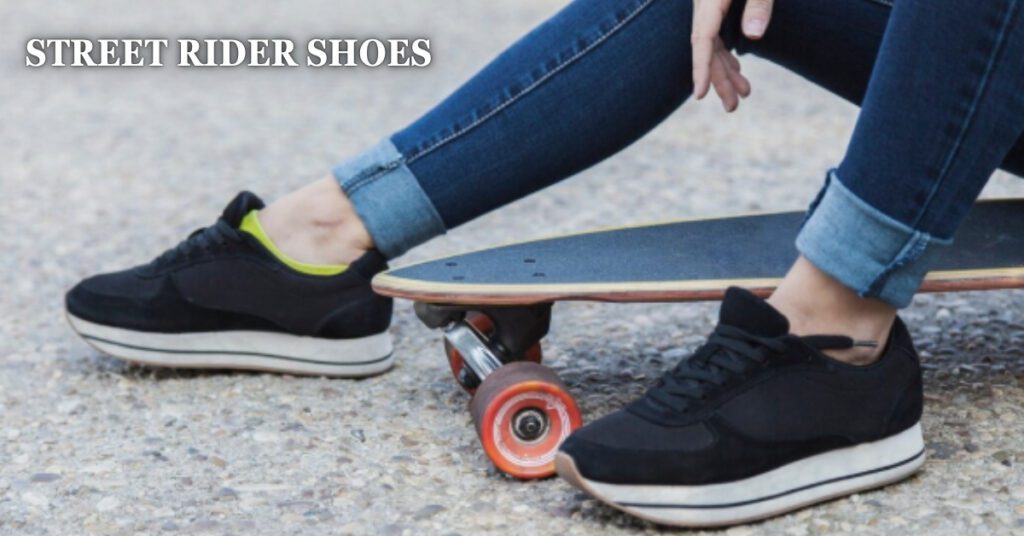
The term covers footwear built for people who ride motorcycles or scooters through city traffic rather than down a racetrack. Underneath a shape that reads as an ordinary sneaker, desert boot, or high-top sits a reinforced heel cup, a stiffened shank through the sole, and abrasion-resistant leather in the zones most likely to hit pavement during a low-speed slide. The goal is protection that never announces itself, so the same pair works for the ride and for the rest of the day.
Search the phrase directly and a second, unrelated meaning shows up alongside it. PUMA sells a retro sneaker line called the Easy Rider, born as a running shoe in the 1970s and now sold as a street wear classic in roughly the sixty to one hundred dollar range, and it has nothing to do with motorcycles at all. If a search result mentions vintage color ways or kids sizing, that is the PUMA line, not the protective footwear this guide actually covers.
Why This Deserves a Real Pair, Not a Compromise
Riding in ordinary sneakers is common, and the reasoning behind it makes sense, since motorcycle boots run heavy, hot, and awkward the moment you step off the bike. The real problem sits in the sole rather than the upper. A crush-resistant sole is the baseline requirement for footwear rated for motorcycle use, and it keeps its shape under the sudden weight of a five hundred pound machine instead of folding the way a canvas or foam sole does.
Most articles on this topic point to CE certification without naming which standard actually applies, and the confusion is worth clearing up. EN 17092 governs jackets, trousers, and riding suits, while the standard specific to footwear is EN 13634, which tests impact abrasion resistance, cut resistance, and the transverse rigidity of the whole shoe rather than just the sole. A shoe carrying that certification has been tested for the kind of slide and impact a street rider is likely to encounter, not a generic safety rating borrowed from another category of gear.
Genuine CE-certified motorcycle footwear carries a small tag or stamp inside the tongue or on the insole, showing the certification mark alongside the EN 13634 reference, and manufacturers list it on the product page as a matter of course. Checking for this is not complicated. If a listing never mentions certification at all, treat the safety claims on the label as marketing rather than fact.
The Features That Actually Matter When You’re Buying
Look for a rigid shank or plate running through the midsole, often marketed under names like Z-plate or anti-twist construction, since this is what stops the foot from folding or twisting under load. The sole matters more than anything else on the shoe. A grippy rubber outsole with a flat profile also helps on foot pegs and on the oil-slicked pavement common at intersections and gas stations.
Toe boxes and heel cups should carry molded reinforcement, usually a hard TPU insert hidden beneath the upper material, to absorb impact without adding visible bulk. Ankle protection ranges from simple padded collars to flexible foam armor positioned at the ankle bone, and the second option genuinely helps in a low-speed drop or a slide where the foot twists sideways. Riders who commute daily benefit most from the flexible foam version, since it keeps its shape through repeated wear rather than compressing flat after a few months.
Full-grain leather offers the best abrasion resistance and ages into a better-looking shoe over time, while split-grain leather and heavy textile keep the price down at some cost to durability. Mesh panels or perforated leather add breathability for warm climates, though a fully mesh upper compromises the abrasion resistance that makes the shoe worth buying in the first place. A middle ground, leather in the high-wear zones with mesh or perforation elsewhere, tends to be the most practical choice for most riders.
Price roughly tracks material quality and certification level rather than brand recognition alone. Entry-level pairs with textile uppers and basic shank protection sit at the lower end of the market and make sense for someone testing whether they will actually wear this category of shoe. Mid-range leather pairs with proper ankle armor cover most daily commuters well, while full-grain leather with waterproofing pushes into premium territory that makes more sense for riders putting serious mileage on the shoe.
Three Categories Worth Choosing Between
Riders searching for this keyword usually fall into one of three groups, and the right shoe changes depending on which one actually describes you. Thinking about it this way is more useful than scrolling through a list of unrelated brand names, since it starts from how you actually ride and dress rather than from a spec sheet. Match yourself honestly to one of the three below before comparing individual pairs.
The low-profile sneaker style suits daily commuters who want the shoe to disappear into whatever they already have on. These read as skate shoes or classic trainers from a few feet away, usually in canvas-look textile or smooth leather with a slim silhouette, and they pair easily with straight jeans or chinos. The tradeoff is slightly less ankle coverage than the other two categories, a reasonable compromise for anyone riding mostly in slow city traffic.
High-top styles add real ankle coverage in a silhouette borrowed from basketball sneakers and classic Vans, suited to riders who want visible protection without going as far as a boot. The extra material around the ankle means a slightly heavier shoe and a short break-in period before the collar softens. Anyone commuting through genuinely bad weather, or riding a bike tall enough that mounting and dismounting stresses the ankle, gets more real-world value from this category.
Leather boot-style options, closer to a chukka or desert boot than a sneaker, suit riders who want the shoe to work with tailored trousers or a jacket outside of a strictly casual wardrobe. Full-grain leather and a slightly taller shaft give the most abrasion resistance of the three categories, at the cost of a stiffer break-in and a warmer shoe in summer. Gore-Tex or similar waterproof membranes show up most often in this category, which matters if the commute genuinely happens in the rain rather than just occasionally.
The Mistake That Cancels Out the Whole Point
The most common error is not skipping protection altogether, since most people searching this exact phrase already know sneakers are a compromise. It is buying a shoe that looks protective in a product photo but never actually gets worn, usually because the style reads too aggressively moto for daily life or the fit never quite settled in. A shoe sitting unworn in the closet while the rider defaults back to sneakers provides exactly zero protection, regardless of what its spec sheet claims.
This happens most often with the leather boot-style category, since it looks the most obviously protective and therefore feels like the safest purchase on paper. Reality favors whichever pair actually gets worn on the specific bike, in the specific climate, with the specific wardrobe someone already owns. Choosing one category down in visible bulk, in exchange for a shoe that stays in daily rotation, produces more real protection over a year than a heavier pair worn twice a month.
How They Actually Wear Into an Outfit
Choosing one pair of shoes that pulls double duty, protecting your feet on the ride while working the rest of the day, follows the same logic as building a small, versatile wardrobe instead of owning something for every occasion. That thinking is the whole premise behind a fashion site built around getting more mileage out of fewer, better-chosen pieces, and it applies just as well to footwear as to the rest of a closet. A shoe that only works in one context, on the bike and nowhere else, is really just riding gear wearing a disguise.
A street rider shoe reads as bulkier than a standard sneaker, which changes how it sits against denim or trousers. Sizing pants with a slight break at the ankle, rather than a full stack, keeps the extra volume of the shoe from making the whole leg look heavy. Raw or dark indigo denim hides scuff marks better than lighter washes, which matters more here than with a typical sneaker given the abrasion the shoe is built to take.
A hip-length moto jacket or a cropped bomber balances visually against the added bulk at the ankle, while a longer coat can make the whole proportion feel bottom-heavy. Jacket length matters more than most riders expect. Neutral color ways, black, dark brown, or muted olive, blend into more of an existing wardrobe than the bright accent colors common on dedicated racing shoes, worth considering if the shoe needs to work with clothes bought long before this purchase.
Fit, Sizing, and the Situations Where the Category Changes
Motorcycle-specific footwear tends to run slightly narrow through the midfoot compared to a standard sneaker, since the reinforced shank reduces the flex a wider last would normally allow. Trying a half size up is common advice among riders who wear thick socks for the ride, though sizing true to a regular sneaker works for most people riding in normal weather. Break-in periods run a little longer than a standard sneaker, particularly in the leather boot-style category, so the first few rides may feel stiffer than the shoe eventually settles into.
Riders in consistently hot climates get more daily wear out of the low-profile or high-top categories with mesh paneling, since the leather boot-style option runs noticeably warmer. Anyone riding through genuine winter weather should prioritize a waterproof membrane over a slightly better-looking shoe, since a soaked shoe loses grip and comfort within the first few minutes of a ride. Occasional riders, out for weekend errands rather than a daily commute, can reasonably choose based on which category actually matches their existing wardrobe, since the safety gap between categories matters less when total riding hours stay low.
Conclusion
Check for EN 13634 certification first, then choose the silhouette category that actually matches your climate, commute, and the rest of your closet. A pair that gets worn every day protects you more than a better-spec pair sitting in the hallway. Try the shoe on with the jeans or trousers you would actually wear it with, walk around the store for a few minutes, and trust how it feels more than how it photographs online.