
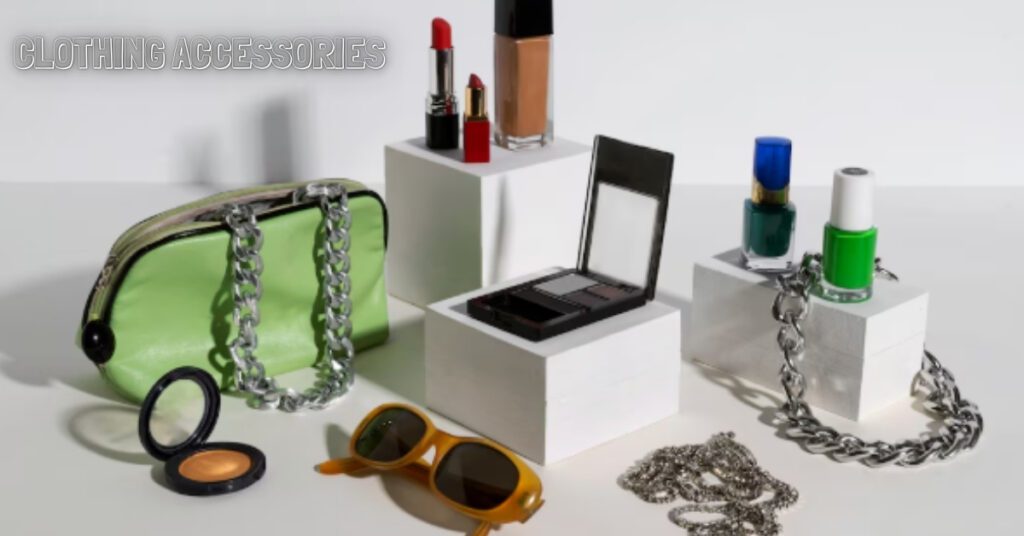
Clothing accessories are the fastest way to change how an outfit reads without buying a single new garment. This guide walks through which accessories actually earn a place in a working wardrobe, from belts and bags to jewelry and scarves, and which ones tend to sit unused after the first wear. You will see real price ranges, material notes, and pairing logic drawn from how a small rotation of pieces can carry dozens of different looks. By the end, you will know exactly which categories to prioritize first, how many pieces actually make a difference, and how to match what you choose to your own proportions, season, and daily routine.
Short Answer
Every belt, bag, necklace, scarf, and hat added to an outfit counts as a clothing accessory, since none are garments themselves, though each shapes how the outfit looks and functions. A small, well-chosen set typically does more for a wardrobe than a large, mismatched collection.
What Actually Counts as a Clothing Accessory
An accessory is anything added to an outfit that is not itself a garment, worn or carried specifically to finish, personalize, or support what is already on the body. Belts, bags, jewelry, scarves, hats, eyewear, watches, and hair pieces all sit in this category, since none of them cover the torso or legs the way a shirt or a pair of trousers does. Some exist purely for decoration, like a brooch pinned to a lapel or a scarf ring holding a knot in place. Others carry a practical job as well, like sunglasses that cut glare or a cross body bag that frees up both hands during a long day out.
Stylists usually split accessories into two rough groups, the ones you carry and the ones you wear. A tote, a clutch, or an umbrella falls into the carried group, since it moves with your hands rather than staying fixed to your body. Belts, jewelry, scarves, and hats sit in the worn group instead, staying in place for as long as the outfit does. For a closer look at how accessory production spans from cheap mass market pieces to genuine luxury craftsmanship, Britannica’s overview of the fashion accessories industry is worth a read.
The Foundation Pieces Worth Building Around
A working accessory collection rarely needs more than eight or nine pieces to cover most of a year’s outfits. The goal is coverage across categories rather than volume within one, since a single excellent belt does more for a wardrobe than five inexpensive ones bought on a whim. Below are the categories worth prioritizing first, along with realistic price ranges and the material choices that tend to hold up over time.
Belts
Leather belts in cognac or dark brown work across denim, tailored trousers, and midi dresses, which makes this one of the highest value accessory purchases most people can make. These belts typically run from around thirty to ninety dollars depending on the hardware and construction, and a well-made one will outlast several rounds of trend cycles. A second belt in black leather covers anything the brown one does not, particularly darker, more formal outfits. Skip the ultra-thin trend belts unless they genuinely suit your proportions, since a belt under an inch wide tends to disappear under most silhouettes.
Bags
One structured bag in a neutral color, black, cognac, or a warm taupe, carries more outfits than three trendy statement bags combined. Look for a cross body or a top handle style in real leather or a dense vegan leather, generally in the eighty to two hundred dollar range for something built to survive daily use. A second, smaller bag in an unexpected texture or color gives evening or weekend outfits a lift without duplicating what the neutral bag already does. Canvas totes are worth owning separately for errands and travel, since they take the daily wear the leather bag should not.
Jewelry
A fine gold tone or silver tone necklace, a pair of everyday earrings, and one statement piece cover almost every jewelry need without turning into a jewelry box nobody can find anything in. Stainless steel and gold vermeil hold up far better against daily wear and water than plated brass, even though the difference does not always show up in the price tag right away. The statement piece, whether that is a chunky chain, a set of hoops, or a single cocktail ring, is where personality actually shows, so this is the one category worth spending slightly more on. Keep the everyday pieces simple enough that they do not compete with whatever the statement piece is doing that day.
Scarves, Eyewear, and Watches
Scarves pull real weight in a small collection, since a midweight wool or wool silk blend piece works as a neck layer in cold months and a bag charm or hair tie the rest of the year. One pair of well fitted sunglasses, ideally in a shape that suits your face rather than whatever happens to be trending that season, earns its keep across most of the year in a lot of climates. A simple watch with a leather or metal strap in a neutral tone rounds out the collection and reads as more put together than a bare wrist in most professional settings.
Hats and Hair Accessories
Hats add shape to an outfit the way a good haircut adds shape to a face, whether that means a wide brim straw style for summer or a wool fedora for cooler months. Baseball caps and beanies belong in the casual rotation rather than the core collection, since they read more as function than finishing touch, though they are worth owning for exactly that reason. Hair accessories deserve more credit than they usually get, since a claw clip, a set of pins, or a silk scrunches can change an outfit’s mood almost as much as a necklace can, and most of them cost less than ten dollars. Building one small hat and one small hair accessory rotation rounds out a collection that already covers belts, bags, and jewelry.
How Five Accessories Can Turn One Outfit Into Five Looks
The same pair of straight leg jeans and a plain white tee can read five completely different ways depending on what gets added. Swap in a blazer, the cognac belt, and loafers, and the outfit reads polished enough for a client meeting. Add the canvas tote, sneakers, and a baseball cap instead, and the same base becomes a weekend errand outfit without a single piece of clothing changing. A silk scarf tied around the neck, the gold tone jewelry, and heeled sandals push the look toward dinner, while a leather jacket, ankle boots, and the statement necklace pull it toward a night out.
A fitted midi dress shows the same range. Add the belt at the waist with strappy heels and delicate jewelry, and the dress moves toward date night. Swap in flat sandals, the canvas tote, and a denim jacket, and the exact same dress works for a farmers market or a casual lunch.
The pattern behind all four versions is proportion and color discipline rather than luck. Chunky accessories generally work best against simpler, more fitted clothing, while delicate pieces hold their own even against busier prints or looser silhouettes. Keeping the color palette of accessories within two or three tones per outfit, rather than one of everything, keeps the eye moving in one direction instead of scattering across five unrelated colors. This is the same logic that shapes a wardrobe built around a small, repeatable set of pieces, and it holds just as true for accessories as it does for the clothes underneath them.
Overbuying Is the Real Accessory Mistake
Overbuying is the real accessory mistake, not overspending. A twelve dollar necklace that tarnishes after six wears and gets replaced every season actually costs more per wear than a forty dollar piece in real gold vermeil that lasts three years of regular use. Run the math on the twelve dollar necklace worn six times before it breaks, and the cost per wear lands around two dollars. The forty dollar piece worn twice a week for three years works out closer to thirteen cents per wear, even though the upfront price looks four times higher on the receipt.
This is where the confusion usually starts, since a lower price tag feels like the safer choice in the moment even when it works out to be the more expensive one over time. Buying fewer, better accessories is not the same thing as buying expensive ones for the sake of it, since a fifteen dollar hair clip used every single day can easily out earn its price against a designer piece that sits untouched after the first wear. The real skill is estimating how often something will actually get reached for before buying it, not defaulting to either extreme.
Matching Accessories to Season, Occasion, and Body Proportion
Material choice does most of the seasonal work once the core pieces are in place. Straw and raffia bags, lightweight cotton scarves, and open weave hats carry an outfit through the warmer months, while wool blends, leather gloves, and structured totes take over once the temperature drops. Keeping one or two pieces in each seasonal material means the same core jewelry and belt collection can carry through the whole year without feeling repetitive. Someone living somewhere that barely sees winter can lean almost entirely on the warm weather materials and treat wool and leather gloves as occasional layers for travel instead of a seasonal requirement.
Occasion changes which pieces get combined rather than requiring an entirely separate set. A structured watch and the cognac belt read as work wear appropriate, while the same belt paired with a silk scarf and drop earrings shifts easily into dinner territory. Formal events are usually the one place worth borrowing or renting a specific piece, a clutch or a statement jewelry set, rather than buying something that will realistically get one wear a year.
Proportion matters more with accessories than most people expect, particularly with belts, bags, and scarves. A wider belt tends to suit a longer torso, while a narrower belt or one worn slightly looser reads better on a shorter waist. Bag size should roughly track body frame, since an oversized tote can overwhelm a petite frame the same way a tiny microbar can look out of scale on a taller one. Scarves work with almost any frame, but how they are tied changes the effect, a loose drape elongates the neckline while a tighter knot adds visual width for anyone who wants more presence up top.
Conclusion
The accessories worth owning are the ones that get reached for again and again, not the ones that looked exciting in a single photo. Start with one belt, one neutral bag, and a small set of jewelry that actually matches your daily routine, and then build outward only once those pieces are genuinely getting worn. Track what you reach for over the next month before buying anything new. That single habit will tell you more about what your wardrobe actually needs than any list, including this one.